On the picturesque Central Coast, a reliable air conditioning system is not just about comfort—it’s a vital defence against the region’s intense summer heat, persistent humidity, and corrosive salt-laden coastal air. These environmental factors mean your air conditioner endures harsher conditions than many inland alternatives. This reality makes regular servicing essential, not a luxury, to protect your investment and avoid soaring energy bills. When maintenance is neglected, small issues like clogged filters or low refrigerant often escalate to costly repairs or unexpected breakdowns precisely when you need cooling most.
This article delves into why preventive servicing significantly extends your air conditioning lifespan. It outlines the ideal intervals for both owner-occupied homes and high-usage rental properties on the Central Coast, offering practical tips to get the most from professional maintenance. You’ll discover what a typical NSW service includes, how to schedule around seasonal demand, and the local regulations and brands that influence maintenance decisions. In NSW, where energy costs are rising and tenancy standards demand reliable essential services, a proactive longevity plan means fewer outages, outstanding efficiency, and sustained comfort for residents and landlords alike.
Unlocking Longevity on the Central Coast: Why Regular AC Servicing Matters
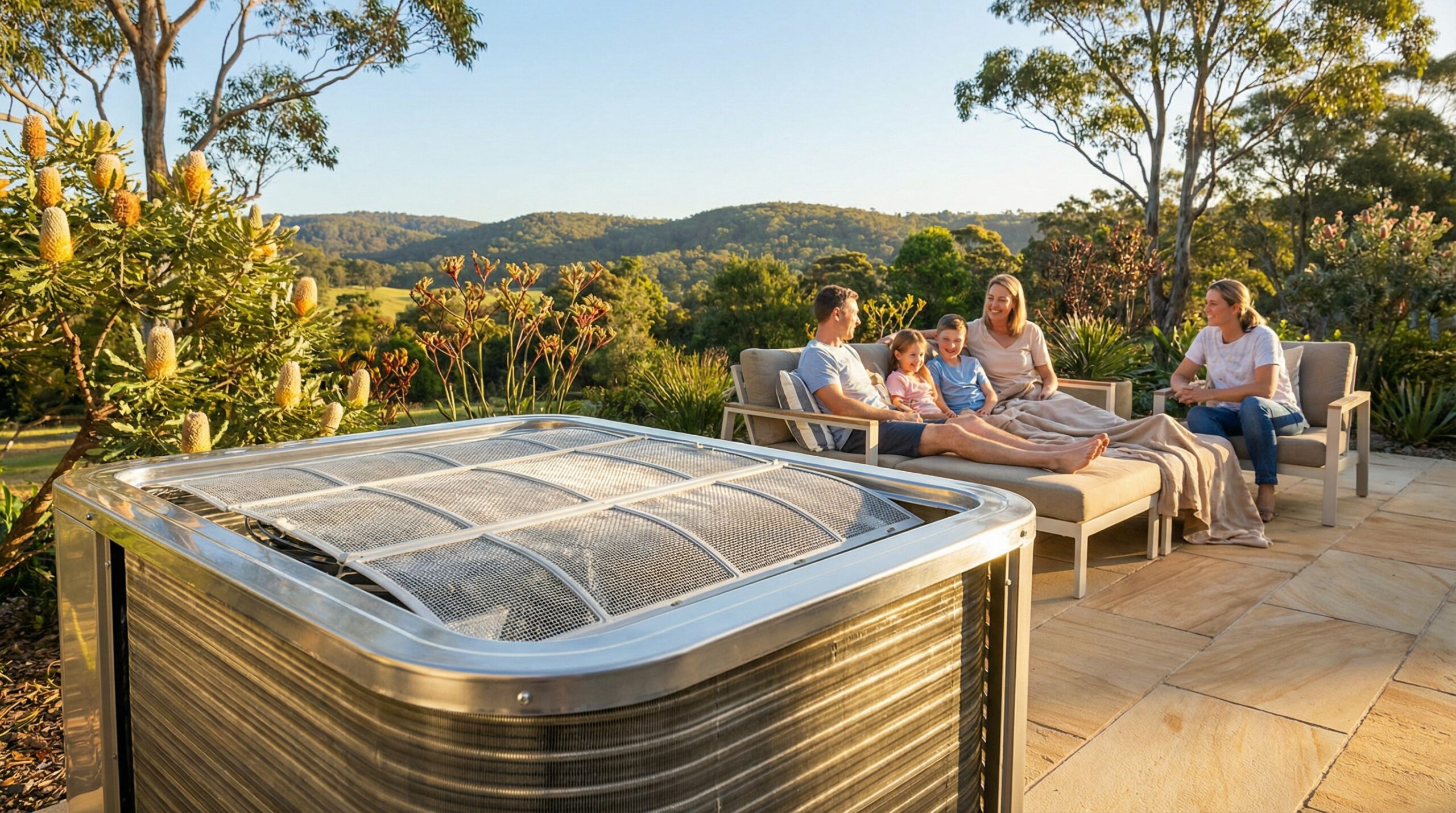
Living on the Central Coast presents unique challenges to air conditioning units. The coastal climate combines strong sun, high humidity, and salt spray—all of which accelerate wear and tear. Reliable cooling solutions are essential not only for health and comfort during summer months but also for protecting the value of your property. Whether you own a family home or manage rental properties, regular air conditioning maintenance is a smart investment that safeguards your system’s lifespan.
Neglecting regular servicing typically results in decreased efficiency, higher electricity bills, and increased repair costs from avoidable damage. This is particularly true on the Central Coast, where environmental stressors exacerbate component wear. For rental properties, it also risks tenant dissatisfaction and potential lease disputes due to poor habitability.
Within this article, you will learn the recommended servicing intervals—generally every 6–12 months depending on system type and intensity of use. We’ll explore the key maintenance tasks that preserve your AC’s core parts and improve performance. You’ll find advice on timing your services effectively, what to expect from a professional technician’s inspection, and tips for selecting a skilled provider familiar with coastal conditions. Plus, we’ll examine how NSW tenancy regulations and industry standards such as AS/NZS 3666 impact service approaches locally.
With rising energy costs and the long-term demands of cooling Central Coast homes, adopting a routine maintenance program is essential to protect your investment and maintain year-round comfort.
Preventive Servicing as the Foundation of Longevity
Protecting core components: coils, compressor, and filters
The heart of any air conditioning system lies in its core components—early wear here drastically shortens lifespan. Regular maintenance keeps these parts operating efficiently by reducing friction, blockages, and corrosion.
Filters are the first line of defence, trapping dust, pollen, and coastal debris before they reach sensitive components. A clogged filter restricts airflow, forcing the fan motor and compressor to work harder, which increases energy consumption and accelerates wear. Australian technicians recommend replacing or cleaning filters every 1 to 3 months in high-use environments, especially on the Central Coast where airborne salt and dirt are prevalent.
Coils in both the indoor evaporator and outdoor condenser units naturally accumulate dust and grime over time, impeding heat transfer. Dirty coils mean the compressor must operate longer to achieve the desired temperature, increasing mechanical stress. Regular professional cleaning—typically every 1 to 2 years—helps maintain efficient cooling and reduces strain on the compressor. Repairs to the coil fins, which protect and enable airflow, may involve gentle fin combing to realign bent fins caused by debris or wind.
The compressor is the most expensive and crucial component. Preventative care such as ensuring proper lubrication, correct refrigerant levels, and minimal mechanical stress preserves its function and extends lifespan. Neglecting any element of filter and coil maintenance risks premature compressor failure, often the costliest repair.
Coastal climate challenges in the Central Coast
The Central Coast’s environment presents particular risks not typically faced by inland systems.
- Salt spray: Salt particles carried on sea breezes accelerate corrosion of outdoor unit metal surfaces, fins, and electrical contacts.
- Humidity: High moisture levels encourage condensation and potential mould growth inside condensate drains and ducting if not regularly cleared.
- Coastal dust and wind-driven sand: These exacerbate filter clogging and coil fouling, reducing system efficiency and indoor air quality.
Technicians servicing coastal systems pay special attention to corrosion-resistant coatings, regular electrical inspections to combat rust-related failures, and rigorous cleaning to prevent mould and bacterial buildup. These specialised tasks are critical to ensuring longevity in the Central Coast climate.
What a standard NSW service includes for longevity
In line with NSW industry standards and AS/NZS 3666 protocols, a comprehensive air conditioning maintenance visit includes:
- Inspection, cleaning or replacement of air filters to ensure unrestricted airflow
- Cleaning of evaporator and condenser coils to maintain optimal heat exchange
- Checking refrigerant levels and manometer pressure to detect leaks or deficiencies
- Testing electrical components such as contactors, capacitors, wiring, and safety switches
- Calibrating thermostats for accurate temperature control
- Verifying proper condensate drainage to prevent water damage and mould growth
- For ducted air conditioning Central Coast homes: inspecting ductwork for leaks, sealing leaks if present, and assessing insulation condition
Ideal servicing intervals range from 6 to 12 months, depending on the system’s usage patterns and whether the property is owner-occupied or rented. Rental properties or commercial units with high run times benefit from biannual checks, while lightly used owner-occupied homes may extend to annual maintenance without compromising longevity.
Partnering with experienced technicians, such as those available from Air Conditioning Central Coast, ensures that these critical tasks are performed with precision, particularly in demanding coastal environments.
Establishing a Servicing Rhythm for Central Coast Properties
Rental properties vs owner-occupied: recommended intervals
A tailored servicing schedule reflects property use intensity and ownership type. For rental properties on the Central Coast, air conditioning systems endure frequent cycling and prolonged daily operation, as tenants may have diverse comfort needs. This constant usage dramatically increases wear and tear compared with owner-occupied homes where AC usage might be lighter and more controlled.
Therefore, it’s advisable for landlords to schedule professional servicing at least once every 12 months for standard rental units. For high-usage properties—such as family rentals, multi-tenant units, or those used for heating central coast loss—6 to 8 month intervals are ideal to prevent surprise breakdowns and maintain tenant satisfaction. Regular filters changes by tenants or property managers between visits are also recommended.
Owner-occupied homes with lighter or seasonal use can generally extend maintenance cycles to 9-12 months without risk, but they should still prioritise checks before summer and after winter.
Seasonal timing for NSW climate
Timing your servicing visits strategically around NSW’s seasonal climate enhances system readiness and durability.
- Pre-summer service: A thorough check before heat waves ensures refrigerant levels are optimal, coils are clean, and filters are fresh. This reduces energy costs and prevents system stress during peak usage.
- Post-winter maintenance: A follow-up inspection after wet and cool months identifies any condensation build-up, mould potential, or damage from cold weather conditions. It also prepares the system for the next cooling cycle.
- Lease cycles: For landlords, aligning servicing with tenancy changeovers or lease renewals reduces tenant complaints and keeps compliance with habitability standards.
Maintaining a predictable servicing rhythm tied to seasonal and tenancy calendars minimises downtime and prolongs equipment life.
What to ask your technician for in a service report
Transparency in maintenance outcomes benefits property owners and tenants alike. After every service, request a detailed report covering:
- Filter condition and replacement details
- Coil cleanliness and any repairs made or needed
- Refrigerant pressure readings and leak detections
- Electrical connection integrity and safety test outcomes
- Outdoor unit condition, including debris and corrosion status
- Duct integrity, seams sealed, and any air flow issues identified (especially for ducted air conditioning Central Coast homes)
- Recommendations for parts replacement or follow-up inspections
- Confirmed next service due date and anticipated costs for any upcoming work
This documentation supports compliance with NSW tenancy regulations, helps landlords track ongoing maintenance, and reassures tenants that their essential services are well maintained.
Key Maintenance Tasks That Drive Longevity
Air filter care and airflow
Air filters block dust, pollen, and coastal particles from entering your system, protecting both indoor air quality and sensitive equipment. Over time, filters clog, restricting airflow and forcing the compressor and fan motor to consume more energy to maintain cooling levels.
For Australian Central Coast conditions, heavy coastal dust and salt mean filters need to be inspected monthly in high-use periods and replaced or cleaned every 1 to 3 months. Many filters can be cleaned with a vacuum or washed with mild detergent, but paper filters should be replaced.
Homeowners should keep a checklist for filter care:
- Inspect monthly during high-use seasons
- Replace or clean clogged filters immediately
- Note filter type to ensure correct replacements
- Maintain a schedule aligned with professional servicing
Consistently clean filters reduce motor load, improve cooling efficiency, and enhance indoor air quality.
Coil cleaning and fins alignment
Evaporator and condenser coils facilitate heat exchange, central to cooling performance. When contaminated with dirt, dust, or salt deposits, coils lose efficiency, making the compressor work harder and risking overheating or failure.
Professional coil cleaning—using specialised brushes, coils cleaners, and pressure rinses—should be performed every 12 to 24 months according to environmental severity. In coastal Central Coast homes, more frequent cleaning may be justified due to salt accumulation.
Coil fins, the thin aluminium surfaces that aid airflow, are easily bent by windborne debris. Incorrect alignment decreases airflow and cooling effectiveness. Technicians use a fin comb to straighten bent fins gently, restoring optimal air movement.
Drainage and mold prevention
Condensate drains remove moisture extracted from air during cooling. Blockages lead to standing water, which encourages mould growth, water damage, and foul odours.
Technicians inspect and clear condensate lines during servicing, ensuring smooth water flow. They also check for algae or mould colonies, recommending anti-microbial sprays or duct cleaning if needed to preserve hygiene.
Mould not only reduces equipment performance but poses health risks, so prompt drainage care is critical in high-humidity Central Coast homes.
Electrical connections and safety
Electrical components—contactors, capacitors, wiring insulation, and safety switches—are crucial for reliable operation and user safety. Coastal corrosion and moisture exposure raise the risk of shorts, disconnections, and premature failure.
Licensed technicians inspect all electrical parts, testing continuity, grounding, and insulation resistance. Outdoor units demand careful sealing and corrosion prevention measures. DIY electrical work is strongly discouraged due to risk of injury and system damage.
Routine electrical safety testing adheres to AS/NZS 3666 hygiene and safety standards, protecting your home and extending the AC’s operational lifespan.
Ducted vs. Split Systems: Longevity Considerations on the Central Coast
Ducted: maintenance focus on ductwork and zone dampers
Ducted air conditioning Central Coast systems distribute cooled air through extensive duct networks. Longevity depends heavily on duct integrity—leaks cause loss of cooled air, reducing system efficiency and increasing compressor workload.
Regular inspections identify and seal ductwork leaks using mastic or specialised tape. Insulation condition is also critical to prevent conductive heat loss, especially in unconditioned roof spaces.
Zone dampers control airflow to different areas; faulty dampers cause imbalanced cooling, forcing sections of the system to run longer than needed. Regular operation checks and maintenance keep airflow balanced and protect equipment.
Comprehensive duct cleaning every few years helps remove dust, mould, and debris buildup, further supporting system efficiency and air quality.
Split systems: outdoor unit care and refrigerant checks
Split systems have an indoor evaporator and an outdoor condenser. The outdoor unit’s longevity depends on clear space for airflow, cleanliness, and protection from salt spray. Coastal Central Coast homes require more frequent washing of condenser fins and ensuring no encroaching vegetation or debris reduces airflow.
Refrigerant level checks detect leaks early before they force the compressor to overwork. Indoor units also require filter and coil maintenance for optimal operation.
Choosing the right system for long life
Choosing between ducted and split systems involves considering usage patterns, property size, and environmental exposure. Ducted systems cover whole homes but demand higher upkeep on ductwork; split systems suit zoned cooling and smaller areas with easier access for maintenance.
Coastal exposure favours systems easier to service frequently and those with better corrosion resistance or protective coatings.
Popular Australian brands like Daikin, Mitsubishi Electric, Fujitsu, LG, and Panasonic have strong local service networks and offer models designed to withstand coastal conditions. Regular professional servicing is essential regardless of system type to maximise lifespan.
Energy Efficiency as a Longevity Multiplier
Clean components boost efficiency
Efficiency and longevity are tightly intertwined. When filters, coils, and ducts are clean and well-maintained, the air conditioning system operates with lower energy consumption and less mechanical strain.
A system running at peak efficiency suffers less wear on the compressor and fan motors, which reduces repair frequency and extends operational life. This translates into direct financial savings and environmental benefits.
Thermostats, zoning, and smart controls
Smart thermostats and zoning solutions help optimise cooling use by cooling only occupied areas and following programmed schedules. This avoids unnecessary operation, reduces runtime, and lowers component wear.
On the Central Coast, where daytime heat is intense but nights may be cool, these controls prevent frequent cycling on and off that stresses equipment, maintaining a more constant and efficient operational state.
Seasonal energy tips for Central Coast
- Schedule pre-summer servicing to ensure refrigerant levels and coils are optimal.
- Seal duct leaks to prevent conditioned air loss.
- Use curtains or blinds to reduce solar heat gain during hot days.
- Consider energy-efficient replacements or upgrades when efficiency declines.
Combined with regular servicing, these strategies multiply the life-extension benefits while keeping energy costs under control.
Practical Scheduling Tips for Central Coast Homeowners and Landlords
Create a maintenance calendar and reminders
Central Coast property owners benefit from establishing a clear maintenance calendar. Mark two key service visits yearly—pre-summer and post-winter—and support these with filter change reminders as often as monthly during heavy-use periods.
Sharing this calendar among property managers or tenants promotes accountability and smooth coordination, especially for rentals with high turnover.
Bundle services for cost savings
Bundling AC maintenance with related services such as electrical safety checks, duct cleaning, or pest control reduces call-out fees and optimises scheduling efficiency.
Local providers often offer packages suitable for NSW landlords, helping stretch maintenance budgets further while ensuring comprehensive property care.
Record-keeping and tenancy compliance
Maintain digital records of all servicing activities—reports, parts replacements, inspection notes, and recommended future actions. This archive supports NSW tenancy laws requiring essential services to be properly maintained.
Comprehensive records also aid resale, insurance assessments, and disputes by demonstrating consistent upkeep.
Choosing the Right Central Coast AC Maintenance Partner
What to look for in a technician
Longevity hinges on quality maintenance, best achieved by selecting technicians who are licensed, insured, and experienced with coastal conditions. Professionals familiar with the salt air, humidity, and common regional wear can anticipate issues before failure.
Request references, ensure technicians offer detailed service reports, and confirm warranties on parts and labour are included. Strong communication and transparency build a trusted working relationship.
Australian brands and local suppliers
Most Central Coast homes use brands like Daikin, Mitsubishi Electric, Fujitsu, LG, or Panasonic, which have established local support networks. Choosing a technician knowledgeable about these popular brands offers assurance on genuine parts availability and proper servicing techniques.
What a good maintenance report includes
A thorough service report documents:
- Service date and equipment model
- Filter condition and replacements
- Coil and duct cleaning details
- Refrigerant pressures and leak checks
- Electrical connections and safety test results
- Observed wear or malfunctioning components
- Recommendations for repairs or next service
These reports ensure maintenance transparency and informed decision-making.
When seeking reliable service, consider the team at Air Conditioning Central Coast who understand the demands of cooling Central Coast properties and provide comprehensive maintenance offerings aligned with local conditions. For more information about their approach, explore our services.
Cost of Preventive vs Reactive Service: A Central Coast Case Study
Real-world example
Consider a typical Central Coast split-system air conditioner. A preventive annual service costing a few hundred dollars includes essential tasks like filter replacement, coil cleaning, refrigerant checks, and electrical testing. These routine visits keep the system efficient and avert looming failures.
Conversely, skipping maintenance often results in inefficiencies that increase electricity bills and accelerate wear. Eventually, this neglect may lead to compressor failure, a repair easily costing several thousand dollars. Such a breakdown frequently occurs during peak summer, causing tenant discomfort and expensive emergency calls.
Long-term savings breakdown
Over several years, regular servicing yields multiple cumulative benefits:
- Lower energy bills through optimised efficiency
- Fewer unplanned repair costs
- Extended equipment lifespan, deferring costly replacements
- Improved tenant retention due to reliable comfort
- Enhanced property value backed by maintenance history
Tips to negotiate pricing and warranties
Local NSW service providers typically offer competitive rates for routine maintenance, but costs vary depending on system complexity and visit scope. Landlords and homeowners should seek bundled packages and yearly service contracts to gain predictable pricing and warranty coverage.
Reliable providers often include part and labour warranties that protect against premature failures, adding valuable peace of mind.
For a trustworthy local partner specialising in Central Coast conditions and guaranteed workmanship, contact Air Conditioning Central Coast for tailored service plans that maximise your AC’s longevity and protect your investment.
Keep Your Central Coast AC Lifespan Strong: Your Practical Longevity Plan
Maximising your air conditioning system’s lifespan on the Central Coast starts with consistent preventive servicing and a clear maintenance rhythm. The harsh coastal climate—with salt air and high humidity—necessitates a diligent schedule, ideally every 6 to 12 months depending on whether your property is owner-occupied or rental.
Key maintenance tasks include routine filter care, professional coil cleaning and fin alignment, condensate drainage clearance, and thorough electrical inspections. Creating a maintenance calendar, bundling services where possible, and insisting on detailed, transparent reports makes managing these tasks straightforward and efficient.
Incorporating smart thermostats and zoning controls further protects your investment by reducing unnecessary runtime and smoothing seasonal operation. By scheduling your next professional service before summer and keeping a comprehensive log of all work performed, you lay the groundwork for enduring comfort and costs savings.
Ready to safeguard your cooling system and your budget? Contact Air Conditioning Central Coast today to book a comprehensive maintenance visit and begin extending your air conditioner’s life. Their expert team specialises in handling coastal NSW conditions, offering tailored longevity solutions for homes and rental properties alike.
Discover more about professional air conditioning maintenance and protect your investment with experienced local support.