Living in coastal areas offers beautiful views and a refreshing atmosphere, but these locations also present unique challenges for maintaining your air conditioning system. The salty air, high humidity, and persistent winds can all impact how well your AC functions. To keep your unit running smoothly and efficiently, it’s essential to understand these climate effects and adapt your AC management strategies accordingly.
Optimising AC performance in coastal climates requires careful consideration and proactive practices. The harsh environmental conditions can accelerate wear and tear on your system, making regular maintenance and protective measures crucial. By using specialised materials and scheduling professional inspections, you can shield your AC unit from potential damage and extend its lifespan.
Focusing on air quality is equally important. Coastal climates can affect indoor environments, making it necessary to address humidity levels and ensure good airflow within your home or business. With the right approach, you can maintain a comfortable and healthy indoor space, regardless of what the weather brings outside. Taking these steps contributes to a more efficient and effective air conditioning system in challenging coastal conditions.
Understanding Coastal Climate Challenges
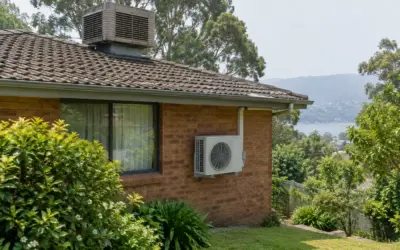
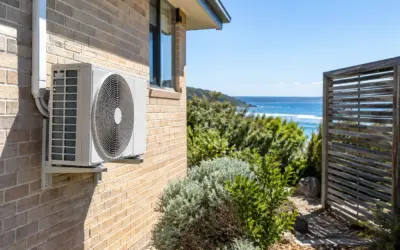
Coastal climates bring unique conditions that can be demanding on air conditioning systems. The combination of salt, humidity, and strong winds can wreak havoc on outdoor AC units. Salt in the air is particularly corrosive, leading to rust and degradation of metal components. Over time, this can impair the overall functionality and efficiency of the system. Humidity is another challenge, as it can strain the unit while it works to maintain comfort indoors. High moisture levels also contribute to mould and mildew, which can be problematic if not managed properly.
Wind poses yet another challenge by blowing sand and debris into the outdoor unit, potentially clogging components and reducing airflow. Sand can accumulate and lead to impaired operation or damage that requires professional attention. To combat these issues, understanding the impact of coastal elements is key to managing your air conditioning system effectively.
Proactive management in coastal environments is essential to maintain your AC’s efficiency and longevity. Regular checks and maintenance will help spot early signs of wear and address them promptly. By taking a forward-thinking approach, you can mitigate the harsh effects of your coastal location and keep your system running smoothly for years to come.
Enhancing System Durability and Efficiency
Enhancing the durability and efficiency of your AC unit in a coastal climate starts with using materials and coatings designed to withstand salt and moisture. Protective coatings on the unit’s metal parts can significantly reduce corrosion, extending the lifespan of your system. Some materials naturally resist corrosion better than others, making them ideal for coastal use. Consider stainless steel or coated aluminium components if you’re upgrading or installing new units.
Regular maintenance tasks also play a critical role in preserving your AC. Here’s a list of essential tasks you can incorporate:
– Clean Filters: Dirty filters impede airflow, forcing the system to work harder, so clean or replace them regularly.
– Inspect Coils: Check evaporator and condenser coils for salt build-up and clean them periodically to maintain efficiency.
– Clear Debris: Keep the area around the outdoor unit free of sand and leaves to ensure optimal airflow.
Upgrading your system’s components can also enhance energy efficiency. Consider investing in high-efficiency compressors and fans designed for coastal conditions. These upgrades may require an initial outlay but typically deliver savings on energy bills over time. Additionally, a programmable thermostat helps regulate temperatures more effectively, tailoring the cooling or heating to your specific needs. With these strategies, you can improve the durability and performance of your air conditioning system, even in challenging coastal climates.
Improving Indoor Air Quality
Coastal climates can significantly impact indoor air quality, presenting unique challenges for maintaining a healthy environment. High humidity levels can lead to dampness within homes or businesses, promoting the growth of mould and mildew. These can trigger allergies and other respiratory issues, making it crucial to manage indoor air quality effectively. Additionally, the salty air can infiltrate indoor spaces, which might cause corrosion or deterioration of some materials over time.
To tackle these challenges, you can use specific air filters and purifiers designed for coastal conditions. High-efficiency particulate air (HEPA) filters are excellent at capturing small particles, including mould spores and pollen, improving the air you breathe indoors. Air purifiers with dehumidifying functions can also help by reducing excess moisture in the air, preventing mould growth and maintaining a comfortable humidity level.
Here are some practical tips to maintain good airflow and reduce indoor humidity:
– Ventilate Properly: Open windows during dry days to allow fresh air circulation, helping to expel moisture-laden indoor air.
– Use Exhaust Fans: Especially in areas like bathrooms and kitchens, to remove excess humidity.
– Regular Maintenance: Keep your HVAC system well-maintained to ensure effective filtration and airflow.
By focusing on these strategies, you can significantly enhance the air quality in your space, making it healthier and more comfortable to live or work in.
Professional Services and Inspections
Engaging in regular professional servicing can make a huge difference in maintaining your AC system, especially in coastal regions. The salty, humid environment can cause unique wear and tear on air conditioning units, making it essential to have regular technical inspections. Professionals have the expertise to identify and address potential issues before they become serious problems, saving you time and money in the long run.
Key inspection points during an AC service include checking the refrigerant levels, inspecting the electrical components for wear and corrosion, and ensuring that all mechanical parts are functioning smoothly. These points ensure that the air conditioner is operating at peak performance and efficiency, regardless of the exterior conditions.
Preventative maintenance contracts are another valuable tool for ensuring your system’s optimal performance. These contracts typically include regular inspections, cleaning, and early interventions when issues are detected. By having a structured maintenance plan, you can extend the lifespan of your AC system and prevent unexpected breakdowns, maintaining a comfortable indoor climate throughout the year.
Conclusion
In coastal climates, maintaining optimal AC performance requires understanding the specific challenges these environments present. By adapting your maintenance routines and seeking expert support, you can extend the life and efficiency of your air conditioning system. Protecting your unit with specialised materials and ensuring regular check-ups can prevent deterioration from coastal weather.
Air quality also plays a crucial role in your comfort and health. Implementing suitable filters and managing humidity levels will safeguard your indoor environment from the effects of salty, moist air. Taking these comprehensive steps ensures that both your air conditioning system and living space remain in top condition, no matter where you are located along the coast.
For a reliable air conditioning service tailored to coastal needs, contact Air Conditioning Central Coast. Our team understands the unique challenges of coastal climates and provides expert guidance to keep your air conditioning systems running efficiently. Whether you need installation, repairs, or regular maintenance, we’re here to help you achieve optimal comfort and performance in your home or business.