When your air conditioning system isn’t working as expected, it can be both frustrating and uncomfortable. Knowing what to check before picking up the phone for repairs can save you time and money. Often, there are simple solutions to get your AC back up and running without the need for professional intervention. Understanding the basics of how your system operates can help identify minor issues that might not require expert attention.
Examining your AC system on your own can reveal obvious problems such as power issues, blocked airflow, or thermostat settings that have been altered. These are often the culprits for unexpected system behaviour. A quick inspection and some basic troubleshooting might resolve the issue. This easy DIY approach allows you to potentially correct minor problems before they escalate into costly repairs.
However, it’s crucial to recognise when an issue is beyond a simple fix and professional help is needed. Timely decisions in seeking expert services can prevent further damage to your system. By understanding these aspects, you can be better prepared to assess AC issues effectively and efficiently.
Identifying Common AC Issues
Before reaching out to a professional, it’s helpful to identify some common air conditioning problems that might be handled with a quick fix. One typical issue is a malfunctioning thermostat. If your AC is running but not cooling, check to see if the thermostat is set correctly. It might have been bumped to a higher temperature or turned off altogether. Ensuring the settings are accurate can sometimes resolve the cooling problem.
Another common problem involves restricted airflow. This is often due to clogged filters, which can limit the amount of air circulating through your system. Blocked air vents and registers may also contribute to inadequate cooling. Making sure they are open and unobstructed can restore proper airflow.
It’s also useful to observe any patterns or changes in performance. For instance, if your AC struggles during the hottest parts of the day but is fine at night, it might be an indication that the system is working harder than necessary due to a blockage or filter issue. Catching predictable patterns like these could allow you to resolve the issue without the need for complex repairs.
Even if you address these simple problems, keep a record of what you’ve observed and any actions taken. This documentation is handy if you eventually need to call in the experts, as it provides them with insight into the potential issues and what has already been checked.
Performing Basic Troubleshooting
When an AC issue arises, performing some basic troubleshooting can help determine if a professional service is necessary or if it’s something you can handle yourself. Begin by checking the power supply to ensure your system is receiving electricity. A tripped circuit breaker or a blown fuse could be the reason your unit isn’t operating. Resetting the breaker or replacing the fuse might be all that’s needed.
Your thermostat is another critical component to check. Make sure it’s switched to the correct mode. If it’s a battery-operated model, replace the batteries. Oftentimes, low battery power can cause a thermostat to fail to communicate with the AC system properly.
Following that, inspect and, if needed, clean or replace the air filters. Dirty filters can severely limit airflow, causing your system to work harder than it should. Aim to check your filters monthly and change them as required, typically every three months, depending on usage and manufacturer guidelines.
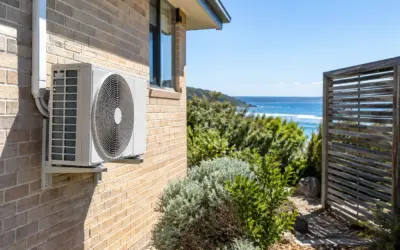
Additionally, ensure all outdoor components are clear of debris. Leaves, dirt, and other obstructions can block airflow around the outdoor unit, affecting efficiency. Keeping the area tidy can improve performance.
By following these simple troubleshooting steps, you might be able to fix minor issues quickly. However, make sure you don’t attempt anything beyond these basic checks to avoid causing further damage to your system.
Evaluating Noise and Vibration Concerns
Noises and vibrations from your AC can be more than just a nuisance; they often signal underlying problems. Recognising different sounds can help identify issues early. A rattling noise might indicate loose parts or debris stuck in the condenser. A grinding or squealing sound can often mean there’s an issue with the motor or bearings. When you hear such sounds, it’s time to investigate further, as ignoring them can lead to more significant damage.
For vibration-related issues, ensure that the unit is sitting level and on a solid foundation. Sometimes the external unit’s pad can move or sink, causing the system to be unsteady. Check if any screws or bolts around the outdoor unit need tightening. Tightening or replacing loose screws can often dampen noise from vibrations.
If, after your checks, the noise continues, a professional assessment might be necessary. It’s crucial to address these concerns promptly. Persistent unusual noises or excessive vibrations can damage internal components if not rectified. Thus, understanding when noise is just noise and when it is a cry for help can save you from future headaches.
Knowing When to Call the Experts
Some AC issues are too complex for DIY fixes, and understanding when to call in professionals is essential. If your AC isn’t turning on at all despite checking the power supply and thermostat, it might signal deeper electrical problems. Similarly, if you notice strange smells like burning or a persistent musty odour, it may indicate more severe problems that require expert intervention.
Document what you’ve observed during your checks. Provide details about any noises, vibrations, or changes in performance. This information will be invaluable to technicians in diagnosing and solving the problem efficiently. Not only does this save time, but it also ensures you aren’t charged for unnecessary checks.
Intervening at the right time with professional help prevents minor issues from escalating into major repairs. Immediate attention to significant malfunctions can prolong the life of your air conditioning system and enhance its performance. Remember, it’s always better to address potential concerns sooner rather than later to maintain a comfortable environment.
Conclusion:
Addressing air conditioning issues yourself can be both empowering and cost-effective, yet there comes a point when professional intervention becomes crucial. Recognising what you can fix on your own and knowing when to seek expert help can make a significant difference in maintaining your AC system’s lifespan and efficiency.
If you’ve taken steps to evaluate your system and something feels out of place, don’t wait for a minor inconvenience to turn into a major headache. Reach out to the experts at Air Conditioning Central Coast. With our knowledgeable team ready to assist, you can ensure that your air conditioning runs smoothly and reliably throughout every season. Contact us today to schedule an air conditioning service and keep your cooling system in top shape.