Proper AC unit installation is more than just a simple home improvement task. It’s about ensuring comfort in your home, especially when temperatures climb during the year. A well-installed AC system promises energy efficiency, optimal performance, and longevity. Without proper installation, you might deal with annoying issues like inefficient cooling or even costly damages over time.
For those on the Central Coast, understanding the right practices for setting up your AC can save both time and effort. It’s all about knowing the most effective steps and avoiding the common pitfalls that many encounter. This guide focuses on best practices to ensure your AC unit delivers consistent comfort and efficiency throughout the hot months.
Choosing the Right Location
Deciding on the spot for your AC unit can make a significant difference in how well it performs. Here are a few key considerations:
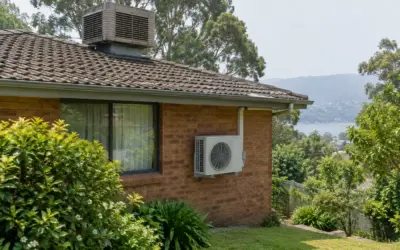
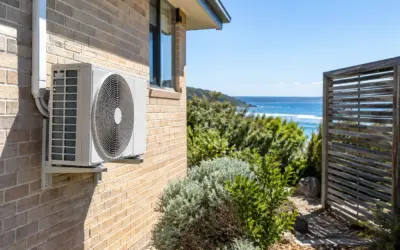
– Good Airflow: Ensure the unit is in a location with unblocked airflow to help it operate efficiently. Without proper air circulation, the unit can overwork and become less effective.
– Avoid Direct Sunlight: While it might be tempting to hide the unit somewhere discrete, placing it under direct sunlight can reduce efficiency and cause undue wear. Aim to place it in a shaded area.
– Heat Sources: Keep the AC away from heat sources like ovens or external heaters, as these can affect the regulation of cool air.
– Maintenance Space: Leave enough room around the unit for easy maintenance and repairs. Limited access can not only make cleaning a hassle but might also complicate any repair work.
By carefully choosing where to install your AC unit, you help it function more effectively, ensuring that you enjoy a consistent temperature and a more comfortable home environment. This simple step pays off in the long run with fewer headaches and repairs.
Pre-Installation Checks
Before setting up your AC unit, it’s important to go through several checks to ensure everything aligns properly. First, verify that your home’s electrical system can support the AC unit’s needs. Check the power supply and make sure the voltage matches the unit’s requirements. If your electrical setup seems outdated, it might be wise to have a licensed electrician take a look to prevent potential issues down the line.
Next, take a close look at the structural strength of where you plan to mount your unit. Whether attaching to a wall or roof, ensure that the spot can handle both the weight and vibrations of the unit in operation. This will prevent future damage to not just the AC, but your home too. Lastly, check if any permits or approvals are needed in your area for the installation. Getting this sorted out early can save a lot of headaches and compliance issues later on.
Installation Process
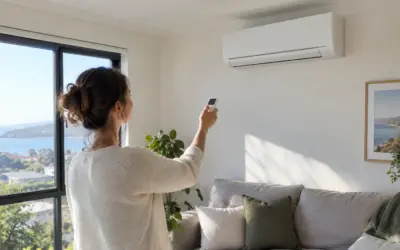
Once you’ve completed the checks, the installation can begin. Start by placing and securing the indoor unit. It should be done using a strong bracket that holds the unit at a safe level, making sure it hangs level for optimal operation. Aim for a location that aligns with your earlier checks for good airflow.
When dealing with the outdoor unit, proper alignment is key. It should be mounted on a flat, stable surface to prevent any unnecessary strain on the components. Use anti-vibration pads if your base isn’t perfectly flat or if it’s susceptible to movement.
Take caution when connecting the electrical parts and refrigerant lines. These need to be secure and insulated adequately to prevent leaks and inefficiencies. It’s a good idea to have a professional handle these connections unless you have ample experience in this area.
Testing and Final Adjustments
After installation, thorough testing ensures everything works as it should. Switch on the system and let it run for a bit to monitor performance. You should ensure that both the outdoor and indoor units are responding correctly to the controls. If something feels off, check the settings and make necessary adjustments.
For example, if the cooling doesn’t seem right, revisit the thermostat settings and airflow direction to optimize the indoor environment. It’s also helpful to listen for any unusual sounds that might indicate a problem. Ensure all moving parts are well-aligned, and the unit isn’t straining during operation. Quick fixes at this stage can save a lot of long-term hassle.
Regular Maintenance Tips
To keep your AC unit in peak condition, regular maintenance is essential. Basic tasks like cleaning or replacing air filters should be done monthly. Clean filters improve airflow and ensure your unit doesn’t overwork itself, increasing efficiency and extending its lifespan.
Scheduling professional inspections twice a year is a wise choice, especially in regions like the Central Coast where units might run more frequently due to the climate. These inspections can catch and address small problems before they turn into bigger, costlier issues. Also, make it a habit to check for blockages in the condenser, as debris can gather over time and hinder performance.
With these insights in hand, you’ll have a well-installed and efficiently running AC unit, allowing you to enjoy a comfortable home environment no matter how hot it gets outside. Remember to incorporate these practices routinely, and you’ll likely avoid many of the common headaches that come with AC systems.
With your AC up and running smoothly, enjoy the comfort it brings knowing you’ve done it right. To ensure your AC system continues performing at its best, explore our AC unit installation services for professional assistance. Air Conditioning Central Coast is here to support and maintain your cooling solutions, enabling you to experience a pleasant indoor environment all year round.