Coastal Comfort, Local Climate: Choosing the Right Central Coast AC System
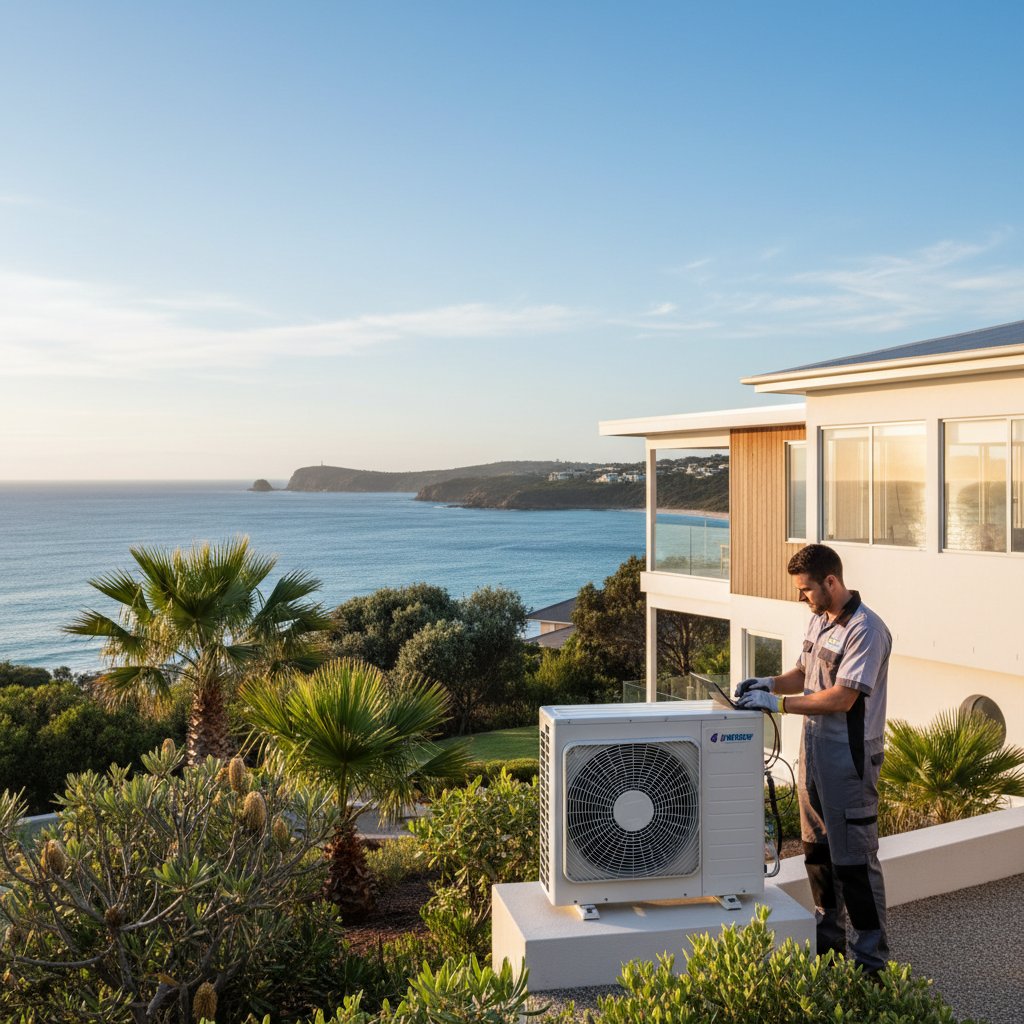
Living on the Central Coast offers a unique lifestyle filled with sea breezes, beautiful beaches, and mild winters; however, it also comes with specific climate challenges that demand careful attention when selecting an air conditioning system for your coastal home. The proximity to the ocean means homes regularly encounter salt-laden air and varying humidity, while the strong Australian sun and fluctuating temperatures put extra pressure on cooling and heating systems.
Choosing the wrong air conditioning system can leave you battling persistent humidity, uneven temperatures, and high energy bills. Whether you are building a new home, upgrading an older dwelling, or planning a retrofit, understanding the nuances of the Central Coast climate is key to making an informed choice. This article explores three popular types of air conditioning systems—ducted, split, and inverter systems—and how each addresses the demands of coastal living in NSW.
You’ll discover practical advice on sizing your system correctly based on floor area and sun exposure, strategies to protect outdoor units from corrosion caused by salt spray, and insights into how humidity management differs across systems. Additionally, this guide considers the layouts and architectural styles common on the Central Coast and their influence on your system selection.
By equipping yourself with this knowledge, you can ensure your investment in an air conditioning system provides reliable comfort year-round, balances energy efficiency with upfront costs, and stands up to the specific climate challenges of living near the ocean. For more detailed information about air conditioning installations in the region, feel free to visit Air Conditioning Central Coast’s installation services page.
Understanding the Central Coast Climate and Its Impact on AC Needs
Salt Exposure: Corrosion Risk and Outdoor Unit Placement
The salty air and ocean breezes characteristic of the Central Coast pose significant challenges to air conditioning systems, particularly the outdoor units. Salt spray can accelerate the corrosion of metal components, damaging compressors, fins, and coils, which eventually leads to reduced efficiency and costly repairs.
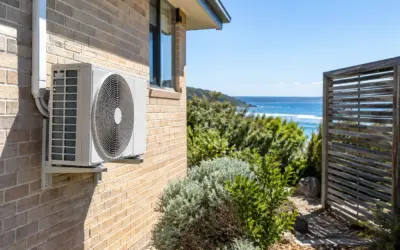
To combat this, many manufacturers—like Daikin, Mitsubishi Electric, and ActronAir—offer corrosion-resistant models featuring epoxy-coated coils and specially treated cabinet finishes designed to withstand harsh coastal environments. In addition, proper placement is crucial. Outdoor units should ideally be located more than 150 millimetres above the ground to avoid splash-back from rain or tides and sheltered from direct ocean spray by fencing, verandas, or dense foliage.
Best practice includes situating outdoor units in shaded areas facing away from prevailing sea winds. This protects them not only from salt but also from excessive sun exposure, which can increase operating temperatures and reduce efficiency. Avoid installing outdoor units on exposed rooftops or low-lying, damp spaces prone to moisture accumulation, both common mistakes that can exacerbate corrosion issues.
Experienced installers aligned with ACCA (Air Conditioning Contractors Association) recommendations will often advise on these factors to extend the lifespan of your system and maintain peak performance. In NSW, especially, understanding coastal installation considerations ensures compliance with local building codes and industry best practice.
- Protective coatings: epoxy and anodized finishes on coils and cabinets
- Placement: shaded areas, >150 mm clearance, away from direct ocean spray
- Enclosures: fencing or verandas to shield outdoor units
- Avoid: exposed roof mounts, low-lying damp spots
- Brands with coastal models: Daikin, Mitsubishi Electric, ActronAir
Humidity and Thermal Loads: Why Coastal Homes Demand Efficient Dehumidification
The Central Coast experiences relatively high humidity, especially in summer months when sea breezes meet warm air, often pushing relative humidity levels above 70%. High humidity affects indoor comfort differently than temperature alone; it makes the air feel hotter and can cause issues like mould growth and condensation.
Efficient dehumidification is therefore essential not just for cooling the air but also for maintaining healthy indoor environments. Air conditioning systems with latent cooling capabilities—a measure of their ability to remove moisture—are advantageous. When air conditioners only focus on sensible cooling (temperature reduction without moisture removal), homes can feel clammy, and occupants may remain uncomfortable despite “cool” temperatures.
Split systems often vary in their dehumidification efficiency, while ducted systems can incorporate features like variable fan speeds and condensate control to better manage humidity across zones. Inverter systems, with their variable-speed compressors, also provide improved humidity control by modulating cooling output and avoiding rapid cycling.
Local NSW installers specialising in coastal homes emphasize humidity management because it directly influences comfort and operational costs. Homes with effective humidity control often report perceived cooler conditions during hot, sticky days without needing to lower thermostat settings excessively.
- Typical Coastal Humidity: often exceeds 70% RH in summer
- Dehumidification importance: prevents discomfort and mould growth
- System types: ducted systems can provide uniform humidity control; inverters modulate output to remove moisture efficiently
- Specs to check: latent cooling capacity, sensible heat ratio (SHR)
- Local expertise: central coast installers often recommend inverter models for improved humidity control
Sun Exposure and Insulation: Managing Heat Gains
The orientation of your home and the intensity of sun exposure on windows play a major role in your cooling load. Rooms facing east receive intense morning sun, while west-facing rooms absorb afternoon heat, often requiring enhanced cooling support. South-facing rooms usually remain cooler but may require heating in winter.
Solar Heat Gain Coefficient (SHGC) and window glazing quality significantly impact how much heat enters your home through glass. Installing tinted or double-glazed windows, combined with external shading like awnings or verandas, can drastically reduce heat gain.
Insulation is also vital in managing internal temperatures. Recommended insulation levels in NSW coastal homes include R4.0 or higher for ceilings and at least R2.0 for walls. Effective insulation delays heat transfer, reducing the burden on your air conditioning system and improving energy efficiency.
Staging cooling efforts by prioritising heat-prone rooms helps optimise system performance. For example, zoning cooling towards sun-dominated east or west-facing areas prevents overcooling less exposed parts of the home.
- SHGC and glazing: low SHGC reduces solar heat gain
- Insulation targets: R4.0 ceiling, R2.0 walls per NSW building guidelines
- Shading strategies: awnings, external blinds, trees
- Cooling staging: zone high-exposure spaces separately
- Examples: east-facing bedrooms need morning light control; west living areas demand afternoon shading
Home Types on the Coast: Layouts that Drive System Choice
Central Coast homes vary from modern open-plan single-storey builds to multi-level heritage cottages with compartmentalised rooms. Understanding your home’s layout is critical when choosing the right air conditioning style.
Single-storey open-plan homes benefit from ducted air conditioning due to the ease of routing ducts in ceiling cavities and delivering uniform temperature control across large spaces. In contrast, multi-storey homes may require zoning and multiple indoor units to achieve consistent comfort on every level.
Heritage homes, which often feature narrow hallways and limited space for ductwork, may find split or multi-split systems more practical. These systems require minimal invasive installation and allow discreet indoor unit placement that respects a heritage aesthetic.
Layout also impacts zoning options, duct routing complexity, and indoor unit placement which directly affects the efficiency and ease of maintenance. Local installers routinely assess floor plans to recommend system types tailored to both the architectural style and lifestyle needs of Central Coast residents.
- Single-storey open-plan: ideal for ducted systems with zoning
- Multi-storey homes: require zoning, multi-unit splits or ducted with dampers
- Heritage cottages: prefer multi-split systems for flexible installation
- Ductwork: complexity increases with layout; easier in slab-on-ground homes
- Australian context: common home designs influence preferred system types
Ducted Systems: Seamless Whole-Home Comfort for Coastal Living
How Ducted Systems Work in Coastal Homes
Ducted air conditioning systems use a central outdoor condenser connected via refrigerant lines to an indoor air handler that distributes conditioned air through ducts hidden in ceilings or floors. Air flows through ceiling or floor outlets strategically positioned to provide even cooling or heating throughout the home.
In coastal homes on the Central Coast, zoning is popular and involves using dampers linked to multiple thermostats and timers, allowing different areas of the home to be cooled or heated independently. This sophistication maximises comfort while optimising energy use.
Installing ducted systems in older coastal homes may present challenges due to limited ceiling space or structural constraints. However, a skilled installer can design retrofits using slim ducting or underfloor options, preserving aesthetics and function.
The upfront cost of a ducted system is higher compared to split systems, and installation takes longer due to the complexity of ductwork. However, the streamlined look with no visible indoor units, uniform temperature distribution, and year-round heating capabilities add significant long-term value.
Top-tier Australian brands like Daikin, Mitsubishi Electric, and ActronAir provide coastal-ready ducted systems and partnering with ACCA-licensed installers ensures installations in NSW meet local standards and durability requirements.
- Components: single outdoor condenser; indoor air handler; ductwork; outlets
- Zoning: multiple zones with thermostats and dampers for tailored comfort
- Pros: uniform whole-home comfort, heating in winter, aesthetic appeal
- Cons: higher initial cost, complex install, maintenance demands
- Local brands/installers: Daikin, Mitsubishi Electric, ActronAir; ACCA-certified
Coastal Benefits: Comfort, Aesthetics, and Seasonal Heating
Ducted air conditioning systems provide consistent, whole-home comfort that many Central Coast homeowners prefer given the climate’s seasonal shifts. In winter, ducted systems offer efficient heating to complement typically mild but cool winters, while summer cooling benefits from silent operation and balanced airflow everywhere.
Compared to multiple wall-mounted split units, a ducted system offers a far neater appearance inside your home, with no visible bulk or cables. The system is typically quieter, too, since air handlers and fans are sited remotely and ducts distribute air gently without the concentrated blasts produced by wall units.
A well-maintained ducted system eliminates hot and cold spots by cycling air uniformly, important in homes with variable sun exposure or room sizes. On the Central Coast, many homeowners report that ducted heating and cooling have greatly improved their seasonal comfort and reduced energy wastage associated with patchy temperature control.
Some ducted systems even come equipped with corrosion-resistant NZ coils designed for humid coastal environments, further enhancing longevity and reliability where salt exposure is a concern.
- Year-round comfort: heating for winters, cooling for summers
- Noise: quieter indoor operation than wall splits
- Aesthetics: concealed ducting and outlets for seamless design
- Uniform temperature: eliminates hot and cold spots in homes
- Coastal durability: NZ coil outdoor units resist salt corrosion
Challenges and Coastal Considerations
While ducted systems excel in comfort and aesthetics, navigating the upfront cost and installation complexity is essential. Coastal homes often have attics or floor voids where ducts run; these spaces may be prone to moisture accumulation or corrosion, especially near the coast.
Duct internals can corrode if exposed to salty air infiltrating unsealed spaces, so insulation and protective duct sleeves are vital. Retrofitting ducted systems can also be challenging in older homes with limited ceiling clearance, which can increase labour and cost.
Condensation is another concern; well-insulated ducts with adequate vapour barriers help mitigate moisture buildup, preventing mould and odour issues. Maintenance routines must include duct inspections for leaks, seals, and corrosion checks more frequently in coastal settings.
For example, a retrofit homeowner might opt for insulated and coated ducts combined with plan shielding of outdoor units behind verandas to extend system life. Engaging a licensed NSW installer ensures long-term warranty coverage and adherence to local regulations.
- Upfront cost: more expensive than split systems
- Duct corrosion risk: requires insulation and protective coatings
- Condensation: duct insulation and vapour barriers essential
- Retrofitting challenges: limited ceiling space can increase complexity
- Maintenance: regular ductwork and seal inspections needed
Maintenance Tips for Ducted Coastal Systems
Yearly servicing of ducted systems is recommended to maintain efficiency and durability, especially in a salty coastal environment. This includes checking the outdoor unit for corrosion, cleaning or replacing air filters, sealing any duct leakage, and verifying the operation of thermostats and dampers.
Sealing duct leaks not only enhances performance but also reduces energy consumption. Homeowners on the Central Coast who invest in professional duct sealing often report noticeable energy bill reductions.
Protective covers and shading for the outdoor condenser unit help reduce salt spray and sun exposure, prolonging lifespan. Filters should ideally be cleaned every 3 months and replaced annually, ensuring good indoor air quality and system performance.
Common signs that your ducted system requires attention include strange noises, increased operating times, uneven temperatures, or reduced airflow from outlets. Licensed NSW installers adhering to ACCA standards are equipped to carry out comprehensive servicing.
- Service interval: annual professional service recommended
- Filter maintenance: clean every 3 months, replace yearly
- Duct inspection: seal leaks, check for corrosion
- Outdoor unit protection: keep shaded, clean, and covered
- Signs of trouble: noise, reduced airflow, uneven temperatures
Split Systems: Practical, Zone-Based Comfort for Smaller or Zoned Coastal Homes
Split System Basics: What It Is and When It Fits
A split air conditioning system consists of an outdoor condenser unit connected via refrigerant pipes to one or more indoor units. Models vary from single-split (one outdoor unit paired with one indoor unit) to multi-split systems serving multiple indoor zones.
Split systems are especially popular in smaller homes, apartments, or where retrofitting ducted systems is impractical. They have a lower initial cost than ducted systems and can be installed relatively quickly with minimal disruption.
On the downside, indoor units are visible wall-mounted fixtures and cooling tends to be room-specific, leading to less uniform whole-home comfort. These systems are ideal for targeted cooling or heating in smaller zones or rental properties where individual control is advantageous.
Australian brands like Mitsubishi Electric, Daikin, Fujitsu, and ActronAir offer a wide range of split system solutions tailored to coastal environments, and ACCA-accredited installers ensure proper configuration and placement for efficiency.
- Components: one outdoor condenser and one or more indoor units
- Single vs multi-split: one-to-one ratio vs multiple indoor units
- Cost: lower than ducted systems; suitable for budget-conscious installations
- Ideal use cases: small homes, zone cooling, quick installs
- Brands: Mitsubishi Electric, Daikin, Fujitsu, ActronAir
Zoning, Placement, and Coastal Considerations
Split systems provide flexible zoning through individual indoor units that can be installed in wall-mounted or ceiling cassette formats. Wall units are easier to install but may be noisier and more visible, while ceiling cassettes offer a more discreet look, especially suited to open-plan spaces.
Outdoor units must be installed with care in coastal areas, with preference for elevated, shaded locations protected from direct salt spray. Protective coatings, enclosure cages, or screen fencing are often recommended to shield units without impeding airflow.
Mounting indoor units approximately 2.1 to 2.4 metres off the floor enables optimal airflow and noise reduction. Placing outdoor units near accessible areas facilitates maintenance but requires balancing against environmental exposure.
NSW installers often recommend corrosion-resistant models and advise on ongoing maintenance to mitigate coastal air damage. Lower noise models are available and preferred in neighbourhoods where sound restrictions may apply.
- Zoning flexibility: wall-mounted or ceiling cassette indoor units
- Outdoor placement: shaded, elevated, away from direct salt spray
- Protective measures: cages, enclosures, protective coatings
- Mounting height: 2.1–2.4m for indoor units
- Noise management: select low-noise models for quiet neighbourhoods
Limitations and Trade-Offs for Split Systems
While split systems excel in flexible installation and lower upfront cost, they do come with some compromises. With multiple indoor units required to cover large homes, maintenance complexity increases, since filters and components must be serviced individually.
Humidity control is generally less consistent than ducted or inverter systems designed with whole-home moisture management in mind, which may mean less comfort on humid coastal days.
Indoor units are visible and may not always blend seamlessly with décor, though manufacturers offer sleek, low-profile designs that suit heritage or modern homes alike. The risk of short cycling (system rapidly turning on/off) increases if units are oversized; proper sizing is essential to efficiency and durability.
Split systems are often preferred for smaller spaces, secondary rooms, or places where ductwork would be impractical or cost-prohibitive. Engaging knowledgeable NSW installers ensures correct load calculation and system design to avoid common pitfalls.
- Multiple units: increased maintenance complexity
- Humidity control: less effective than ducted/inverter systems
- Visual impact: visible indoor units but low-profile models available
- Oversizing risks: avoid short cycling through proper sizing
- Best use cases: smaller homes, targeted zone cooling
Case Study: A Small Beachside Cottage Using a Multi-Split
Consider a two-bedroom beachside cottage with limited ceiling voids for duct routing and high salt exposure. The owner installed a multi-split system using a Daikin outdoor unit connected to two wall-mounted indoor units—one in the living/dining room and the other in the master bedroom.
This setup allowed precise temperature and humidity control for each space without the cost or disruption of installing ducted systems. The outdoor unit was installed behind a protective wooden screen with epoxy coating on the housing for corrosion resistance.
Post-installation, the family noticed improved comfort on hot, humid days with significant reductions in mould growth and dampness. Energy bills remained reasonable, partly due to inverter technology modulating cooling to demand.
Regular servicing ensured optimal performance despite the harsh coastal environment, demonstrating that well-planned multi-split systems can be an excellent solution for compact coastal homes.
Inverter Systems: Flexible, Efficient Cooling for Coastal Climates
Inverter Technology Explained
Inverter air conditioning technology uses variable-speed compressors that adjust cooling output continuously rather than simply switching compressors on or off. This modulation results in more stable indoor temperatures, reduced energy consumption, and better humidity control.
For Central Coast homes, inverter systems mean fewer temperature swings and less cycling noise, which is particularly beneficial during heatwaves or sticky humid days. Instead of blasting cold air, the unit runs smoothly and efficiently to maintain set temperatures.
A home equipped with an inverter system will typically achieve energy savings of 30-40% compared to non-inverter systems. Furthermore, this technology reduces wear and tear on compressor components, enhancing system longevity—an important consideration in salty coastal air which accelerates corrosion and mechanical stress.
Leading Australian brands like Mitsubishi Electric, Daikin, Fujitsu, and ActronAir provide coastal-capable inverter models, with installers following strict service standards to maximise performance and lifespan.
- Variable-speed compressor: modulates output continuously
- Benefits: energy savings, consistent temperature, improved humidity control
- Noise reduction: fewer start/stop cycles reduce noise
- Longevity: reduced compressor wear extends system life
- Brands: popular Mitsubishi Electric, Daikin inverter models available in Central Coast
Sizing, Modulation, and Avoiding Oversizing
Proper sizing of an inverter system is critical. Oversizing leads to short cycling, limiting dehumidification benefits and increasing energy costs while undersizing can leave rooms inadequately cooled.
A simple onsite load assessment involves measuring floor area, ceiling height, insulation quality, and assessing sun exposure and room usage. For example, a 3-bedroom Central Coast home with good insulation and shading usually requires between 5kW and 7kW of cooling capacity.
Hire a professional ACCA-licensed installer in NSW for an accurate load calculation. They will consider all variables including orientation, insulation ratings, and local climate data to recommend the correctly sized system and zoning options, which might include multi-split configurations or ducted inverter systems for larger homes.
A well-sized inverter system runs longer cycles at lower speeds, ensuring energy-efficient operation and better humidity removal. Conversely, oversized units rapidly turn on and off, wasting energy and increasing wear.
- Load calculation: floor area, ceiling height, insulation, sun exposure
- Avoid oversizing: prevents short cycling and inefficiency
- Professional input: ACCA-licensed installers ensure proper sizing
- Typical cooling capacity: 5-7 kW for average 3-bedroom coastal home
- Zoning options: multi-splits or ducted inverter systems for larger properties
Coastal Durability and Maintenance for Inverters
Inverter outdoor units installed near the coast require corrosion-protection features such as treated metal panels and epoxy-coated coils. Routine maintenance includes cleaning filters regularly, keeping outdoor units shaded and free from debris, and annual professional servicing to inspect seals and components.
Some Central Coast homeowners prolong their inverter system’s lifespan by installing protective covers or partial shelters that maintain airflow while blocking direct salt spray and sun exposure.
A maintenance checklist usually includes:
- Filter cleaning every 3 months
- Clearing debris and leaves around outdoor units
- Checking for rust or corrosion spots during service
- Ensuring proper clearance (minimum 500 mm) around units for airflow
NSW industry standards backed by ACCA recommend minimum annual professional servicing and emphasise that regular upkeep is essential in coastal environments to avoid early system failures.
Cost vs Long-Term Savings
Inverter systems generally have a higher initial price than basic split systems due to advanced technology but offer substantial savings in running costs over the lifespan of the unit. Rising electricity prices on the Central Coast increase the importance of efficient cooling solutions that reduce consumption.
A typical payback period for an inverter system in a 3-4 bedroom home is approximately 5 to 8 years, depending on usage patterns, insulation, and system size. Over 10 to 15 years, savings can be significant when accounting for energy efficiency and reduced maintenance compared to non-inverter models.
Energy-saving features such as zoning, smart thermostats, and humidity control further contribute to lowered bills. Investing in high-quality brands with robust warranties improves value, especially when serviced regularly by accredited NSW technicians.
- Upfront costs: higher than non-inverter splits
- Running cost: significantly lower energy consumption
- Payback period: typically 5-8 years on the Central Coast
- Long-term savings: better humidity management and consistent performance
- Warranty and maintenance: major brands offer 5-10 year warranties supported by local service networks
Coastal Home Scenarios: Which System Best Fits Your Central Coast Home
Scenario A: Large, Open-Plan Coastal Home
A large, single-storey modern coastal residence featuring open living spaces and numerous south and west-facing windows naturally has a considerable cooling load. The best solution here is a ducted air conditioning system featuring zoning capabilities to manage temperature differentials across sun-exposed and shaded areas effectively.
This approach ensures seamless comfort throughout the home, reduces energy wastage by powering only occupied zones, and preserves wall space without intrusive indoor units. Alternatively, multi-zone inverter split systems are an option for budget-conscious homeowners but generally don’t match the aesthetic and uniformity of ducted solutions.
Pros of ducted systems include centralised maintenance, quieter operation, and integrated heating for winters. Multi-split inverters provide flexibility but require multiple indoor units that could impact design choices.
Installation is best undertaken by NSW-based accredited installers with experience in large coastal homes. Leading brands popular locally for these systems include Daikin and Mitsubishi Electric — known for corrosion-resistant components ideal for coastal climates.
- Recommended system: zoned ducted air conditioning
- Alternative: multi-zone inverter split systems
- Advantages: consistent temperature, aesthetics, easy maintenance
- Considerations: budget, installation time
- Local expertise: ACCA-certified NSW installers
Scenario B: Heritage Cottage with Nooks and Crannies
A heritage coastal cottage may have narrow hallways, limited ceiling space, and a requirement for discreet installations that preserve historical aesthetics. Multi-split systems with smaller indoor units or compact ducted solutions with minimal ceiling intrusion are often preferred.
Multi-splits allow placing individual units in each frequently used room, with energy-efficient inverter technology mitigating noise and footprint. For those wanting a ducted system, slim ducts and careful routing can be planned, although this often involves higher retrofit costs and may require specialist installers.
Low-profile ceiling cassettes or wall units that blend with existing colours and finishes help maintain the character of the property, while the outdoor units can be camouflaged behind fences or under verandas.
- Preferred systems: multi-split inverter or compact ducted
- Installation challenges: routing ducts in limited space
- Visual impact: discreet indoor units to preserve heritage look
- NSW considerations: licensed installers sensitive to heritage needs
Scenario C: Waterfront Duplex with High Salt Load
Waterfront properties endure direct exposure to salt spray and high moisture levels. Outdoor units require corrosion-resistant features including epoxy coatings and stainless steel fasteners. Sheltered installations with protective covers or enclosures are advisable to shield equipment while maintaining airflow.
The duplex layout suggests either two separate split systems or a multi-split system for flexibility. Regular maintenance intervals should be shorter than average—every six months rather than yearly—to check for salt damage and clean components.
Local installers familiar with NSW coastal standards recommend anti-corrosion treatments and monitoring, ensuring warranty compliance and extended equipment life. Avoiding exposed rooftop mounting and placing units behind fences or under verandas optimises durability.
- Protection: epoxy coating, stainless steel components
- Placement: sheltered, shaded, elevated
- Maintenance: increased frequency to counter salt damage
- System type: split or multi-split with coastal-grade units
- Installer advice: ACCA-certified for coastal installations in NSW
Maintenance in Coastal Environments: Keeping Systems Running Efficiently
Corrosion Prevention: Protective Measures and Routine Checks
Corrosion is the most significant threat to coastal air conditioning systems. Protective measures such as anodized aluminium, epoxy coating on coils and casing, and stainless steel fasteners should be standard in coastal installs.
Routine inspections should be scheduled annually, with an additional mid-year check during wet or storm-prone months to catch early signs of rust, salt build-up, or mechanical wear.
Owners should inform servicing technicians of the coastal environment so targeted anti-corrosion treatments can be applied. Enclosures or cages that allow airflow but prevent direct salt spray are a proven method to reduce damage.
Brands like Daikin and Mitsubishi offer corrosion-rated models and strongly recommend adherence to such practices. The ACCA guidelines for coastal installs provide comprehensive instructions for installers and maintenance personnel.
- Coatings: anodized/epoxy for metal parts
- Inspection frequency: annual and mid-year
- Protective enclosures: airflow-permitting fences or covers
- Reporting: inform technician about coastal environment
- Brands supporting coastal installs: Daikin, Mitsubishi Electric
Filters, Indoor Air Quality, and Humidity Management
Maintaining good indoor air quality is crucial in humid coastal climates to prevent mould and allergens. HEPA or high-MERV filters, where available, can significantly improve air quality.
Filters typically require cleaning every 3 months, with professional replacement annually or according to manufacturer guidelines. Clean filters support better humidity control by enabling unobstructed airflow and efficient condensate removal.
DIY filter cleaning can be done by homeowners, but periodic professional servicing ensures the system also captures hidden issues affecting air quality and humidity performance.
Brands like Fujitsu and ActronAir design filters with user-friendly access to facilitate maintenance, supported by NSW installers who emphasise regular filter management for coastal homes.
- Filter types: HEPA or high-MERV for improved air quality
- Cleaning frequency: every 3 months recommended
- Professional replacement: annually or per guidelines
- Benefits: reduced allergens, better humidity control
- DIY vs professional: routine clean vs detailed inspections
Drainage, Condensate, and Mold Prevention
Condensate drainage is critical to preventing mould in the humid Central Coast environment. Drain lines should be clear and properly sloped to avoid standing water, which encourages mould and odours.
Regular inspection and cleaning of drain pans and lines is necessary, especially after stormy or humid weather. Where possible, condensate can be directed outside to a suitable drain with overflow protection.
NSW installers follow recommended installation practices to minimise mould risks, such as ensuring condensate lines are insulated and not blocked by debris or pests.
Signs of drainage issues include damp odours, water stains around units, or dripping inside the home. Early detection and remediation avoid costly repairs and health issues.
- Drain maintenance: keep condensate pipes clear and sloped
- Installation best practices: trap and overflow protection
- Insulation: prevents condensation on condensate pipes
- Signs of problems: odours, water stains, dripping
- Routine checks: post-summer and post-storm inspections
Professional Servicing and NSW Requirements
Professional servicing at least once per year is recommended to maintain system efficiency, extend lifespan, and meet warranty conditions, particularly in coastal zones. A full service includes compressor checks, refrigerant levels, cleaning evaporators and condensers, filter changes, and corrosion inspections.
Licensed NSW technicians must comply with local regulations and ACCA standards ensuring that coastal-specific issues are addressed. Certified installers also provide detailed service records valuable for resale or warranty claims.
Homeowners should ask installers for a servicing checklist and enquire about any detected potential issues or recommendations for aftercare.
- Service interval: annual professional servicing mandatory
- Checklist includes: compressor, refrigerant, cleaning, corrosion check
- NSW licensing: ensures compliance with local laws
- ACCA certification: assures installer expertise
- Documentation: keep service records for warranty and resale
System Selection Checklist for Central Coast Homeowners
Space, Layout, Sun Exposure, and Load
Begin by measuring your home’s total floor area along with ceiling heights to estimate cooling and heating requirements. Take note of the orientation of rooms and their sun exposure through windows that influences heat gain.
Evaluate your layout for ducting or indoor unit placement feasibility, noting attic access, ceiling clearance, and wall space. Preliminary assessments using a simple scoring approach helps identify whether a ducted, split, or inverter system is best:
- Space available: supports ducted if ample ceiling voids are present
- Sun exposure: affects cooling load, shading helps reduce system size
- Access: ease of placing outdoor units away from salt spray
- Noise: proximity to bedrooms guides indoor unit choice
- Load: approximate heating and cooling demand
These initial checks empower you to have informed discussions with accredited installers who can perform detailed load calculations and system design aligned to your Central Coast conditions.
Budget, Running Costs, and Long-Term Value
Assess upfront investment against expected running costs over time. Ducted systems generally require higher capital but offer whole-home comfort and efficient seasonal heating. Split systems suit better lower budgets with targeted zone cooling.
Inverter systems often strike a balance with higher initial prices offset by energy savings and longevity. Consider expected maintenance costs, potential warranty benefits, and impacts on resale value.
Local climate, energy prices, and dwelling characteristics all factor into estimating lifecycle costs, so seek professional quotes incorporating these variables.
- Upfront cost vs running cost: ducted highest upfront but lowest uniform cost
- Maintenance: split systems may require more frequent servicing of multiple indoor units
- Long-term value: energy efficiency and comfort enhance resale appeal
- Budget: ensure capacity for quality installation
- Brand warranties: significant for investment protection
Aesthetics, Noise, and Installation Quality
Consider indoor unit design; ducted systems provide concealed comfort, while split indoor units may be visible and noisier depending on installation. Noise levels are crucial for bedrooms or quiet spaces.
Installation quality affects not only aesthetics but system efficiency and durability. Choose accredited NSW installers who follow best practice and respect property appearance.
- Visibility: ducted hidden, split units visible
- Noise levels: target <40 dBA for bedrooms
- Installation quality: impacts performance and durability
- Design options: low-profile split units, ceiling cassettes
- Installer reputation: check certifications and feedback
Energy Efficiency, Costs, and Availability: What to Expect When Installing
Australian Energy Ratings and Efficiency Metrics
Australia employs Energy Rating Labels indicating cooling and heating efficiency for systems, offering a star rating and annual energy consumption estimates. The Seasonal Energy Efficiency Ratio (SEER) and Energy Efficiency Ratio (EER) help quantify system performance.
Coastal heat loads may increase runtime, affecting actual consumption compared to rating lab conditions, so plan for local climate factors.
Comparing units by ratings and reviewing manufacturer spec sheets helps identify models offering the best value for your Central Coast home.
- Energy Rating Labels: star rating and kWh/year estimates
- EER & SEER: higher ratios indicate better efficiency
- Local climate: affects real-world usage
- Selection guide: choose models with 4+ stars for coastal homes
- Reference: Australian Government resources on energy labelling
For additional authoritative information on energy efficiency, visit the Australian Government Energy Rating website.
Installed Price Ranges and Return on Investment
In the Central Coast, typical installed prices range as follows:
- Ducted systems: $8,000 to $15,000 depending on home size and zoning complexity
- Split systems: $2,500 to $8,000 based on number of indoor units
- Inverter units: $3,500 to $10,000 aligned with capacity and technology level
Factors influencing cost include ductwork complexity, zoning controls, equipment corrosion protection, and outdoor unit shelters required for coastal durability.
Return on investment hinges on usage hours, electricity tariffs, and system efficiency, with lifestyle factors like occupancy and preferences also important.
- Price influencers: ductwork, protective finishes, zoning controls
- Typical ranges: as outlined in listed costs
- Energy savings: offset upfront cost over 5-10 years
- Installation complexity: impacts labour and accessory costs
- NSW factors: local labour rates and compliance requirements
Warranties, Service Plans, and Aftercare
Major brands offer warranties covering compressors (5-10 years) and parts (up to 5 years). Labour coverage varies and often requires annual servicing to remain valid.
Service plans typically involve scheduled maintenance and priority repairs, helping extend system life, minimise energy loss, and protect warranty rights—particularly important in salty coastal conditions.
Homeowners should read service contracts carefully to understand coverage scope and exclusions, avoiding activities like unauthorized repairs that invalidate warranties.
- Warranties: 5-10 years compressor, shorter parts
- Service plans: scheduled maintenance and priority service
- Maintenance: essential for validity in coastal climates
- Limitations: unauthorised work can void warranty
- Local support: ACCA-endorsed NSW installers
Choosing a Reputable Installer in NSW
Selecting an experienced, licensed installer is critical to realise the full benefits of your air conditioning system on the Central Coast. Credentials to check include:
- NSW contractor license
- Affiliation with ACCA for adherence to best practices
- Manufacturer authorisation to install specific brands
- Provision of written quotes with detailed load calculations and system design
- Positive local reviews and service records
A thorough site inspection by the installer ensures tailored recommendations considering your home’s layout and climate. For a comprehensive range of solutions, see our services or contact trusted local providers like Air Conditioning Central Coast.
Plan Your Coastal Comfort: Next Steps for Central Coast Homes
Choosing the right air conditioning system for your Central Coast home hinges on understanding your property’s size, sun exposure, humidity, and salt-prone environment. Large, open-plan homes typically gain the most from a zoned ducted system offering consistent comfort and minimal visual impact. Heritage cottages benefit from flexible multi-split solutions or compact ducted installations that respect their character, while waterfront properties exposed to intense salt spray require corrosion-resistant outdoor units with protective installations.
Start by commissioning a professional load assessment to ensure correct sizing and zoning tailored to your unique climate demands. Review energy ratings, running costs, and maintenance requirements alongside your budget to select a system that balances upfront investment with long-term value.
For expert guidance and reliable, high-quality air conditioning installations on the Central Coast, contact Air Conditioning Central Coast. Their skilled team can provide free on-site assessments and help you navigate the best solutions for your home’s comfort, durability, and efficiency. Explore more about choosing the right system and get personalised advice by visiting their service offerings.