Air conditioning efficiency is key to maintaining comfort in your home while keeping energy bills in check. Many Central Coast homeowners fall prey to myths that can lead to higher energy costs and reduced system lifespan. This article dives into some of the most common air conditioning misconceptions, offering insights and solutions to optimize your cooling systems. From the myth that bigger is always better, to the impact of home renovations and thermostat placement, each chapter will help you make more informed decisions. Test the waters with modern heat pumps or enhance energy efficiency with proactive strategies – all tailored to transform your cooling experience.
The Bigger Is Better Myth: Understanding AC Unit Efficiency
In the pursuit of comfort, many Australians fall prey to the misconception that a larger air conditioning unit automatically delivers superior cooling and energy efficiency. However, this belief is fundamentally flawed. Oversized air conditioning systems can lead to a plethora of issues, most notably short cycling. This occurs when a unit cools a space rapidly and shuts off, only to restart soon after, consuming more electricity than a unit that maintains consistent temperature control. These frequent on-off cycles not only inflate energy bills but also increase mechanical wear and tear, shortening the lifespan of the unit.
Beyond just inefficiencies, oversized AC units can result in uneven cooling, where pockets of warm air remain despite the system’s efforts. Such rapid cooling can also lead to inadequate humidity control, leaving occupants uncomfortable even when the thermostat indicates otherwise. This undermines the very reason one invests in air conditioning: consistent comfort throughout the home.
Proper sizing is crucial, involving a detailed evaluation by an HVAC technician who considers factors such as the home’s square footage, ceiling height, insulation quality, window layout, and exposure to sunlight. This comprehensive approach ensures the unit matches the space, optimising both energy efficiency and comfort. Moreover, it dispels other myths such as setting the thermostat lower to cool faster or leaving the AC on throughout the day to save energy.
To prevent these costly misconceptions from impacting your energy efficiency, it’s vital to engage experts in choosing the right AC size and in optimising system usage. For more insights into reducing energy consumption, visit ways to reduce your AC’s energy consumption. Embracing informed choices leads to a harmonious balance between comfort and efficiency in Australian homes.
Transforming Your Home: Renovations that Boost AC Efficiency and Cut Energy Costs
Home renovations in Australia can be a double-edged sword when it comes to air conditioning systems. While upgrades can enhance comfort and efficiency, misconceptions surrounding AC systems often result in higher energy bills and reduced performance. A common misbelief is that simply opting for a larger AC unit ensures better cooling. Oversized units actually lead to inefficient short cycling, increasing energy usage and reducing the lifespan of the system.
Another area often overlooked is the ductwork. Renovations change a home’s layout, affecting how air circulates. Failure to adjust ductwork post-renovation can severely hinder system efficiency. Just as crucial is maintaining your AC system. Regularly cleaning or replacing filters and checking ducts for leaks are simple yet effective ways to maintain optimal efficiency and extend the system’s life.
Renovation periods are also perfect opportunities to adopt modern, energy-efficient systems. By swapping older models for newer, environmentally friendly ones, you can significantly cut down on energy consumption. Enhancements such as improved insulation and duct sealing play vital roles, curbing energy loss and stabilising indoor temperatures. Moreover, adding ceiling fans or upgrading to LED lighting can ease the load on air conditioning systems by reducing heat generation and continuing air circulation.
Additionally, integrating smart technology into your home is a savvy move. Installing smart thermostats accords greater precision in temperature control by adapting to occupancy and external conditions, thereby optimising energy usage. Coupling these thermostats with energy-efficient windows can bolster a home’s thermal insulation, further driving down energy costs source.
By dispelling myths and embracing smart renovations, homeowners on the Central Coast can significantly enhance their air conditioning systems’ performance while enjoying reduced energy expenditures and increased comfort.
Mastering Thermostat Placement and Settings: Unveiling Energy-Saving Secrets
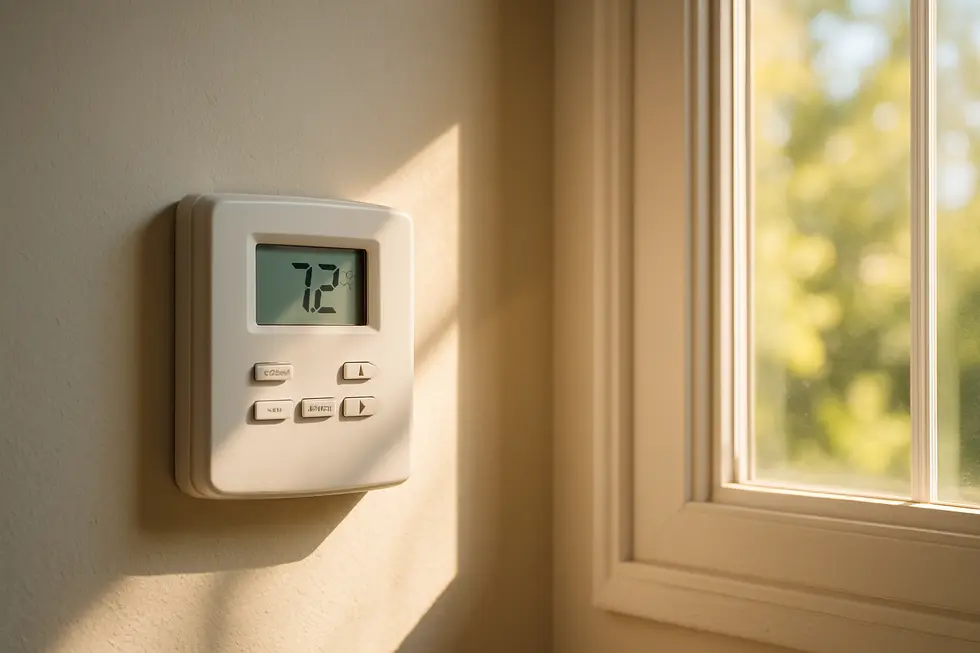
Ensuring efficient air conditioning in Australian homes is often thwarted by misunderstandings about thermostat placement and settings. In this context, placing the thermostat correctly and configuring the right settings are crucial to prevent unnecessary energy expenditure and maintain a comfortable indoor climate.
The placement of your thermostat significantly influences its efficiency. An ideally placed thermostat should be in a central location, away from direct sunlight, heat sources, and air drafts. Positioning it near doors, windows, or vents can result in incorrectly sensed ambient temperatures, which leads to overcooling or overheating. Instead, find a spot that accurately reflects the general temperature of the room, ensuring a balanced assessment for your cooling or heating system.
Configuring the thermostat settings appropriately is just as essential. In Australia, optimising energy usage involves setting the thermostat to comfortable yet efficient levels. For cooling during summer, a setting between 24°C and 27°C provides comfort without overburdening the system. During the winter months, temperatures of 18°C to 22°C are suitable, keeping comfort in mind, especially in cooler regions like Tasmania.
Common misconceptions can lead to inefficient thermostat use. The idea that setting the thermostat to an extreme temperature speeds up cooling or heating is a myth. Modern systems operate at consistent rates regardless of settings, making extreme temperatures unnecessary. Moreover, using programmable or smart thermostats, such as those that utilise geofencing and scheduling, can enhance energy efficiency by adapting to occupancy patterns. These advanced thermostats can reduce energy usage by up to 23% annually, making them an attractive option for those seeking cost-effective climate control. Regular AC servicing can also ensure optimal performance, aiding these efforts.
By placing thermostats wisely and setting them thoughtfully, households can bridge the gap between comfort and energy efficiency, avoiding the costly pitfalls of common air conditioning misconceptions.
Unveiling Heat Pump Truths: Energy Efficiency in the Australian Climate
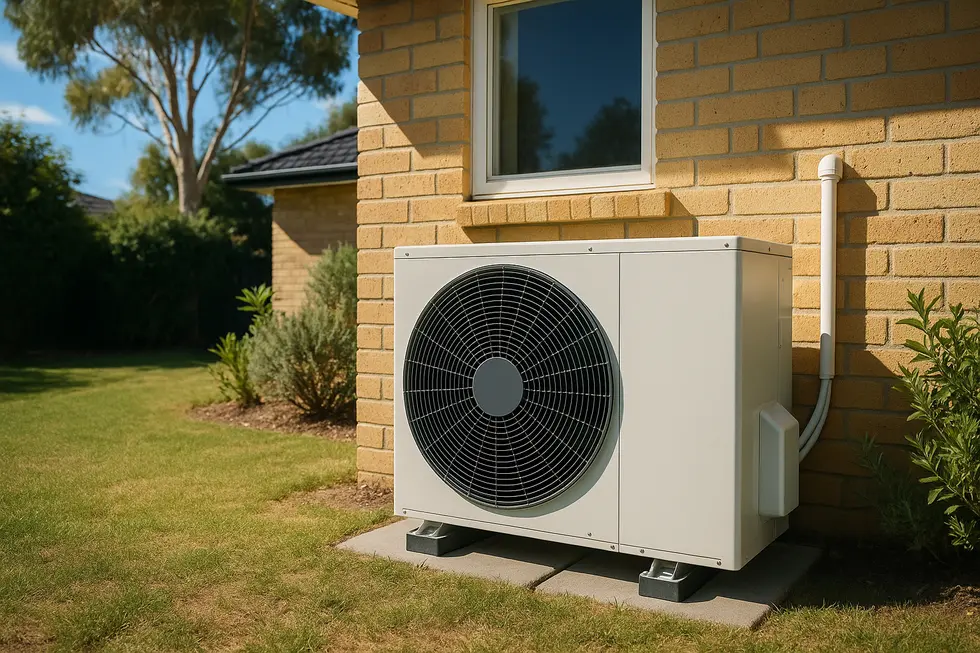
Heat pumps often face a barrage of misconceptions that can lead to inefficient energy use and higher costs, especially in Australian homes. By debunking these myths, we can enhance energy efficiency and reduce unnecessary expenses.
A common belief is that heat pumps fail to maintain consistent indoor temperatures. However, unlike traditional HVAC systems that cycle on and off, heat pumps operate continuously at lower power. This method not only stabilises indoor temperatures but also reduces energy surges, ultimately leading to a more comfortable environment and less energy use.
Another prevalent myth is the inefficiency of heat pumps in colder weather, but modern systems are tailored to Australian climatic conditions, functioning efficiently even in lower temperatures like 5°C. Moreover, correctly sized and installed heat pumps avoid the pitfalls of oversizing, which is a frequent issue in conventional systems.
Concerns about noise and power consumption persist as well. Innovations have produced heat pump models that operate quietly while delivering efficient climate control. These advanced systems, especially inverter-driven models, adjust smoothly to demand, offering a superior alternative to noisier, less efficient traditional units.
Additionally, the assumption that larger systems translate to lower energy use is misguided. Oversized units often short cycle, leading to energy waste and temperature fluctuations. Ensuring proper system sizing and professional installation can curb these inefficiencies.
By focusing on precise heat pump selection, installation, and maintenance, homeowners can significantly cut down on energy costs. Utilising smart thermostats for consistent temperature settings and regular maintenance such as cleaning filters and checking coils are vital steps in maximising system efficiency.
Understanding and addressing these myths are key to minimising energy waste while enjoying comfortable indoor conditions across Australia’s diverse climates. For more insights on maintaining your air conditioning system, visit Regular AC Servicing Crucial Homes.
Busting Air Conditioning Myths: Efficient Strategies for the Australian Home
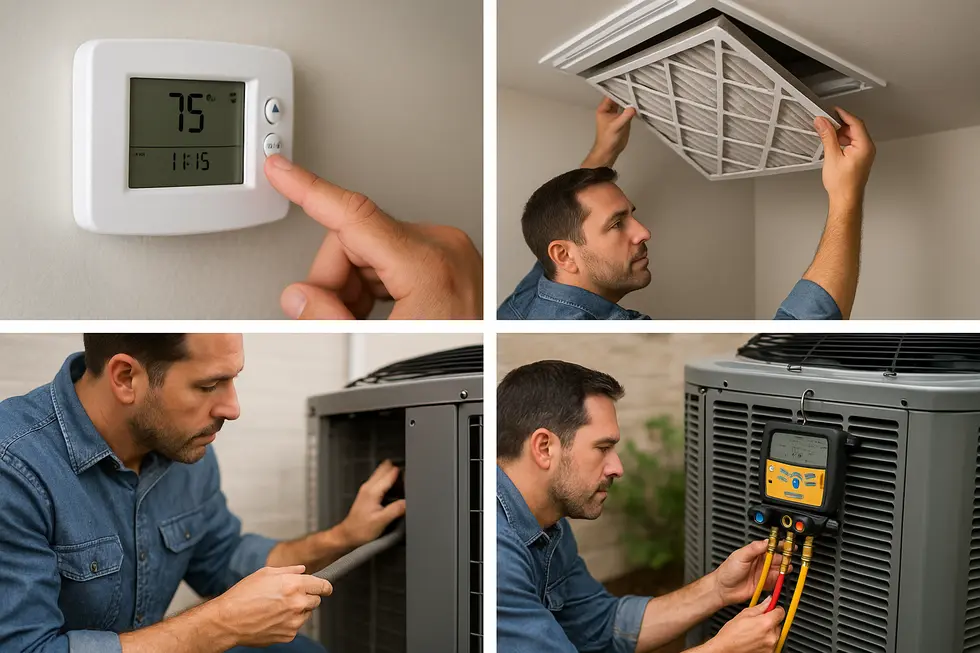
Navigating the landscape of air conditioning efficiency in Australia requires dispelling common myths and adopting practices that enhance energy usage. One pervasive misconception is the belief that a bigger air conditioning unit inherently provides better cooling. This oversizing not only leads to short cycling—where the system frequently turns on and off—but also escalates energy wastage and elevates wear and tear without delivering optimal comfort. Correct sizing through a Manual J load calculation is vital to ensure the chosen unit aligns perfectly with the space it serves.
The placement of your unit also plays a significant role in efficiency. Avoid installing the unit near heat sources or in direct sunlight, which forces the system to labour harder to maintain the desired temperature. Instead, opt for shaded areas to alleviate mechanical strain, thereby promoting longevity and efficiency. Learn more about optimising AC performance in coastal climates.
Another aspect often overlooked is the impact of home renovations. After extensive changes or improvements, revisiting the HVAC system’s design—such as ductwork adjustments and thermostat relocations—is crucial. Neglecting this can lead to inefficient airflow and heightened energy consumption. Similarly, regular maintenance cannot be overstated; simple routine checks curtail performance declines and prevent potential breakdowns.
Moreover, homeowners sometimes underestimate the availability of government incentives designed to encourage the adoption of energy-efficient systems. Programs like the NSW Energy Savings Scheme offer rebates that not only reduce the upfront cost of energy-efficient units but also contribute to long-term savings on electricity bills. Selecting reputable brands with robust warranties further ensures sustained performance reliability.
By dismantling these myths and implementing proven strategies, homeowners can significantly enhance their air conditioning efficiency, thereby reducing both energy costs and environmental impact.
Final thoughts
Understanding and addressing common AC misconceptions can lead to significant energy savings and prolonged system longevity. By choosing the right sized unit, re-evaluating your AC setup after home renovations, positioning thermostats wisely, exploring heat pumps, and adopting energy-efficient practices, homeowners can enjoy enhanced comfort and reduced utility expenses. Embrace these insights to optimise your air conditioning investment.
Don’t wait for a breakdown—join many happy local clients and book your air‑conditioning servicing today. Call or email us to book in today.
About us
At Air Conditioning Central Coast, we provide reliable, affordable, and energy-efficient air conditioning solutions tailored to local homes and businesses. With years of experience servicing the Central Coast, our skilled team specialises in installation, repairs, and maintenance of leading brands. We pride ourselves on prompt service, honest advice, and keeping our customers comfortable all year round.