Whether you’re looking to beat the summer heat or improve your home’s overall comfort, an accurate cooling system that fits your home perfectly is essential. On the Central Coast, where the climate ranges from humid coastal breezes to warm inland days, choosing the right air conditioning can make all the difference. Fortunately, a free on-site cooling assessment offered by trusted experts simplifies this complex process. Before you commit to any installation, understanding what such an assessment entails helps you set realistic expectations and ensures you capitalise on this invaluable service.
Your Free On-Site Cooling Assessment: Precision Sizing and Tailored Recommendations for Central Coast Homes
In many Australian homes, especially on the Central Coast, the key to comfort isn’t necessarily having the biggest air conditioning system—it’s about having one that’s properly sized and tailored for your unique dwelling. Ducted air conditioning Central Coast specialists understand that oversizing or undersizing a unit leads to wasted energy, increased running costs, and diminished indoor comfort. That’s why a free on-site cooling assessment is the crucial first step to getting it right.
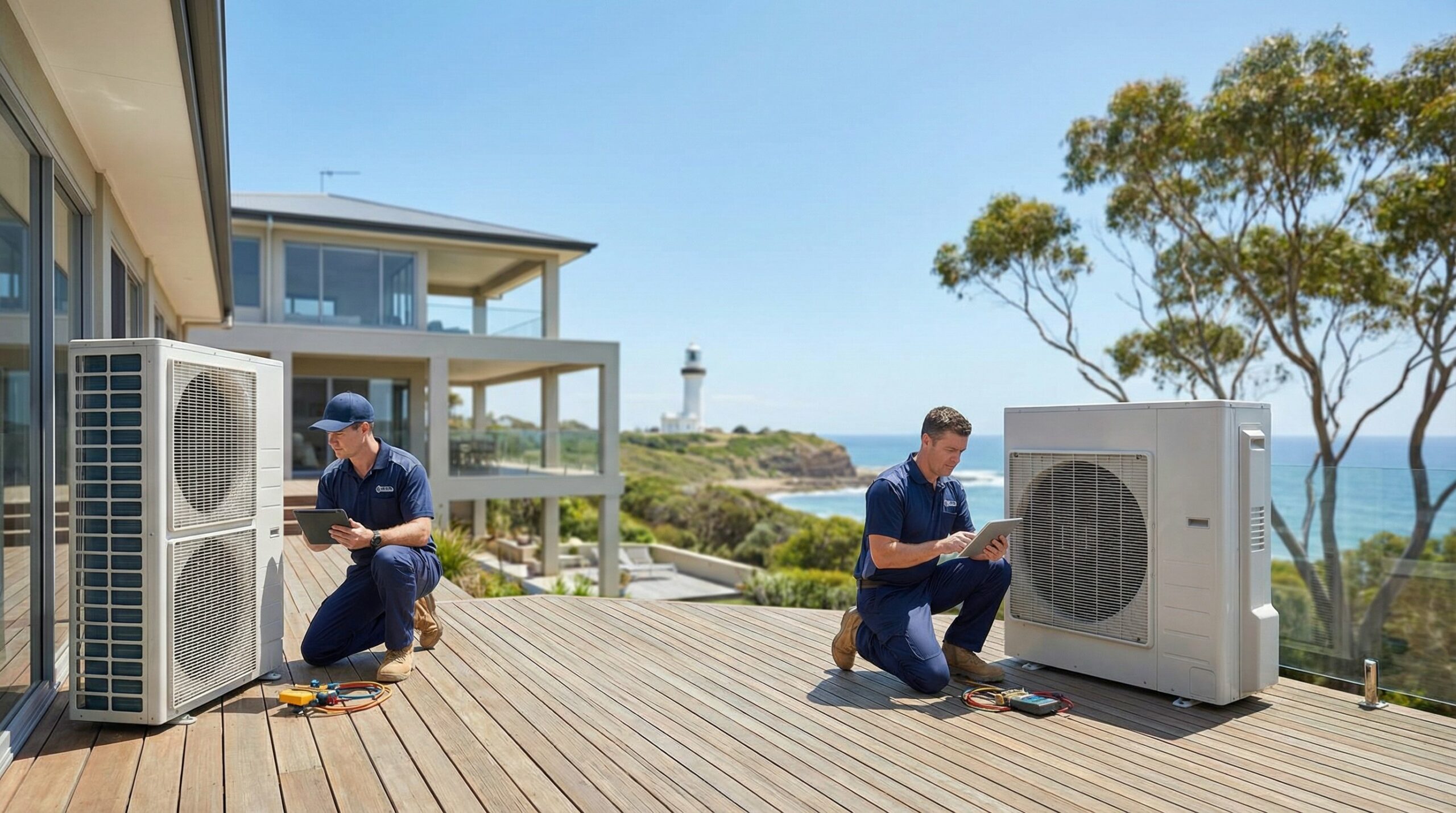
During the assessment, a licensed technician will conduct a comprehensive evaluation of your home, including room-by-room space measurements, insulation levels, window shading, and sun exposure. They also examine your current system and ductwork (if any), measuring airflow and calculating the precise cooling load needed to maintain a comfortable environment year-round. The outcome is a set of system recommendations tailored specifically for your Central Coast home, whether that involves ducted systems, split units, or zoned configurations, complete with initial cost estimates and installation considerations.
This article will guide you through each step of what you can expect during the assessment, providing useful tips for Central Coast homes and insights into the Australian climate’s impact. You’ll discover why meticulous space measurements, solid load calculations, and smart controls contribute to energy efficiency, system reliability, and maximum comfort.
The Free On-Site Cooling Assessment: What It Covers in Central Coast Homes
Scope of the Visit and Inclusions
An on-site assessment by professionals from Air Conditioning Central Coast is designed to gather critical data through a thorough inspection of your property. The technician will undertake a methodical walkthrough of your home, measuring each room’s size, noting window dimensions and sun exposure, and evaluating your current heating and cooling needs.
The tools utilised include laser distance meters for accurate measurements, temperature and humidity sensors to gauge ambient conditions, and simple airflow checks to assess how your existing system performs. These details are often fed into advanced software programs that calculate the cooling load — the precise amount of cooling power required to maintain comfort.
Throughout the assessment, the technician documents findings meticulously, producing measurement logs, annotated floor plans or sketches, and even photographic records where necessary for clarity. After gathering all the data, they explain the probable system options and sizing without pressuring you to make immediate decisions. Importantly, the technicians are licensed NSW electrical and refrigeration experts, ensuring all evaluations adhere to local safety standards and energy efficiency regulations such as MEPS (Minimum Energy Performance Standards).
What’s Included and What Isn’t
The focus of the free assessment is to provide a detailed sizing rationale and present clear system options to suit your home’s configuration. Included are tailored recommendations on whether a ducted, split, or zoned system best suits your needs, as well as a comparative overview to highlight pros and cons in terms of performance and approximate cost ranges.
However, structural renovations, such as altering walls, ceilings, or major electrical rewiring, are not part of the assessment. Any required upgrades beyond the scope of basic system installation will require coordination with other licensed trades, which can be discussed later once the assessment report is delivered.
The follow-up deliverables usually include a comprehensive summary outlining next steps, rough installation cost estimates, and important considerations specific to local Central Coast properties, including environmental factors and council requirements.
Practical Examples for Central Coast Homes
Take a single-story coastal home with expansive south-facing windows and moderate insulation. During the assessment, precise measurements reveal that the large glazed areas significantly increase heat gain during afternoon hours, elevating the cooling load. The technician might recommend a zoned ducted system with stronger cooling capacity focused on the sunny rooms, complemented by window tinting or external shading for added efficiency.
The local coastal humidity and salt air also play a role in material choices for duct insulation and protective coatings on equipment to prevent corrosion. Natural shading by mature trees and fences further impacts the cooling load calculation — shading can reduce the load substantially in certain areas, influencing system sizing.
Homeowners are advised to prepare by providing any floor plans if available, noting window sizes and shading angles, and informing the assessor about any recent insulation upgrades. Such details ensure the recommendations are both precise and practical.
Space Measurements: The Foundation of Accurate Sizing
Room-by-Room Measurements and Sun Exposure
The first and most critical step in the on-site assessment involves measuring every room individually. This includes living areas, bedrooms, kitchens, bathrooms, and any enclosed verandas or sunrooms. Accurate length, width, and ceiling height measurements give a clear picture of room volume, a direct input in sizing calculations.
Sun exposure is recorded in detail — which windows face north, east, or west, and the intensity of sunlight during peak hours. A sun-drenched west-facing room, for example, may require extra cooling. Window treatments such as blinds, reflective films, or curtains are noted to understand how much solar gain is mitigated.
Doors, windows, and floor finishes are also catalogued to assist with duct routing and equipment placement, ensuring airflow is optimised and installation complexities are anticipated ahead of time.
Ceiling Height, Insulation, Windows, and Shading
Higher ceilings increase the volume of air to be cooled, often meaning a larger capacity system is required. Similarly, uninsulated walls or ceilings create pathways for heat to enter, increasing cooling demands. The assessor will check for typical insulation types, such as bulk insulation in ceilings or cavity wall insulation, and assess potential air leaks.
Windows are assessed for their glazing type and reflectivity. Double-glazed windows, for example, reduce heat gain more effectively than single-pane glass. External shading devices like awnings, verandas, and surrounding trees can dramatically reduce solar load, often easing the sizing requirements and improving energy efficiency.
Outdoor Unit Location and Noise Considerations
The assessment also evaluates the best locations for external units for optimal performance and minimum disturbance. Placement considers proximity to bedrooms or neighbours to comply with local noise regulations and preserve privacy.
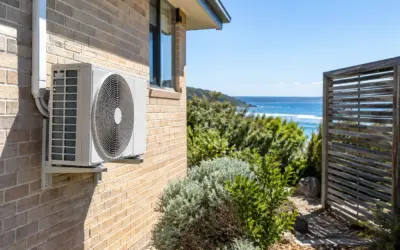
Clearance is critical — units must have enough airflow around them for efficient operation and servicing. On the Central Coast, additional considerations include exposure to corrosive coastal salt air, which may necessitate corrosion-resistant materials or protective coatings.
Site constraints like boundary setbacks and landscaping features are examined to prevent future installation obstructions. Pest-proofing measures, such as protective grilles, are recommended to safeguard outdoor units in garden areas.
Cooling Load Calculations: Size, Comfort, and Efficiency
Translating Room Volumes to BTU/h (or kW)
Determining the cooling load begins with incorporating room volume, measured in cubic metres, into standard calculations using BTU (British Thermal Units per hour) or kilowatts (kW), the metric most commonly used in Australia. This calculation factors in elements like occupancy levels, heat generated by appliances and lighting, as well as external heat gains through windows and walls.
Technicians combine these inputs using specialised software or calculation tools to produce a cooling load figure representing the system size needed to maintain comfortable indoor temperatures without overworking or underperforming.
The result helps ensure that the recommended unit size supports daily usage patterns and anticipated future changes, preventing the common pitfalls of inefficient units that short-cycle or run constantly.
Building Envelope and Heat Gains
The quality and characteristics of the building envelope — walls, ceilings, windows, and doors — heavily influence heat transfer into the home. Thick insulation and low-emissivity window glazing reduce heat inflows, lessening the cooling load. Conversely, leaky doors or single-glazed windows can increase capacity requirements significantly.
Moreover, seasonal variation affects cooling needs; higher summer humidity on the Central Coast demands dehumidification in addition to cooling, influencing the system choice. In winter, dry air affects heating load requirements but is considered alongside cooling calculations for comprehensive year-round comfort planning.
Regional Climate Data for Central Coast
The Central Coast experiences a moderate oceanic climate, with warm summers tempered by sea breezes and mild winters. Average summer highs often range between 26°C and 30°C but can spike during heatwaves. Humidity levels typically range between 50% and 75%, intensifying the need for effective dehumidification.
This climate profile ensures systems are designed to strike a balance — sufficiently robust to handle peak summer heat and humidity spikes without being oversized for cooler shoulder seasons.
For example, a multi-bedroom home close to the coastline might have a lower cooling load due to sea breezes and shading, whereas a hillside property with direct western sun exposure may require increased capacity to compensate.
Ductwork and Airflow: Leaks, Balance, and Efficiency
Duct Condition and Leakage Checks
Ducts are critical for distributing cooled air evenly throughout your home, and their integrity directly impacts system performance and operating costs. Leaky ducts cause cooled air to escape, forcing the system to work harder and increasing energy bills.
During the assessment, technicians perform visual inspections for crushed segments, poorly sealed joints, or gaps. Simple pressure tests may be conducted to detect hidden leaks. The choice of duct material matters as well; flexible ducts, while cheaper, can be prone to compression and leaks compared to rigid sheet metal ducts.
Identifying these issues early allows for repairs or replacement before installation of new equipment, ensuring optimal performance.
Airflow Measurements and Balance
Assessing the balance of supply and return airflows is fundamental to even cooling distribution. Technicians measure the airflow at vents, methodically comparing rooms to detect disparities.
Symptoms of imbalance include some rooms being overly cold while others remain warm, or certain vents producing little air. Correcting these issues involves adjusting dampers, relocating supply outlets, or installing additional return air grilles.
A well-balanced system not only improves comfort but reduces unnecessary energy expenditure by avoiding overcooling or undercooling zones.
Zoning and Dampers: Personalised Comfort
Zoning enables targeted cooling control, allowing busy or occupied rooms to be cooled independently from less-used areas. This is achieved through the use of dampers—mechanical gates within ductwork that regulate airflow—and smart thermostats.
The technician assesses the feasibility of zoning based on your existing ductwork and home layout. On the Central Coast, where homes vary from single-story bungalows to multi-level designs, zoning offers an excellent way to enhance comfort and energy efficiency.
Smart controls integrated into zoned systems offer added convenience and cost savings by adapting cooling schedules to occupancy patterns and outdoor weather conditions.
System Recommendations: Ducted, Split, or Hybrid Solutions for Central Coast Homes
Ducted Central Coast: Benefits and Pitfalls
Ducted air conditioning systems are ideal for whole-home comfort, offering quiet operation and visually unobtrusive installations. The cool air is delivered through ceiling or underfloor ducts, hidden from view, maintaining a clean aesthetic.
However, installation costs are higher due to the complexity of ductwork, particularly for multi-storey homes where duct runs can be lengthy. Maintenance requires duct access, which may complicate repairs if ducts are concealed.
Zoning is often incorporated in ducted setups, allowing for tailored cooling distribution, and many systems now integrate with home automation platforms popular in Australian homes, enhancing user control.
Split Systems and Multi-Splits: When They Fit
Split systems are well-suited for smaller homes or for targeted cooling in areas like bedrooms or living rooms. Multi-split options allow multiple indoor units connected to a single outdoor unit, offering flexibility where ducting is impractical.
Pros include lower upfront costs and easier installation, but external units are exposed to the coastal environment, requiring appropriate corrosion protection. Regular maintenance is necessary to sustain efficient operation.
Split systems often incorporate reverse-cycle heating, making them effective for year-round comfort—a feature much appreciated in Central Coast homes transitioning seasons.
Smart Controls, Zoning, and Energy Efficiency
Modern air conditioning units leverage smart technology for improved energy savings and ease of use. Programmable thermostats allow users to set cooling schedules that align with occupancy, while geofencing technology can activate cooling as you arrive home.
Inverter technology optimizes compressor speeds to maintain steady temperatures with reduced energy consumption. Humidity management is integrated into many Central Coast-appropriate systems, combating clammy summer air.
Popular brands like Daikin, Mitsubishi Electric, Fujitsu, and LG offer various models tailored to Australian conditions, with features that enhance performance and user experience.
Shortlist of Likely Options (Australian Context)
- Ducted systems with zoning are ideal for larger Central Coast homes requiring whole-house coverage.
- Split systems suit smaller residences or retrofit projects where duct installation is impractical.
- Hybrid or multi-split configurations provide flexible layouts combining several indoor units with efficient, compact outdoor units.
- Compare quotes carefully considering system size, efficiency ratings such as SEER (Seasonal Energy Efficiency Ratio), and warranty conditions.
Installation Considerations: Timing, Permits, and Local Constraints
NSW Licensing and Permits
In New South Wales, all work on refrigeration and air conditioning systems must be conducted by licensed technicians, ensuring safety and compliance with legal standards. This includes correct refrigerant handling and electrical connections.
Major electrical work associated with installations requires certified electricians. The installation process can also trigger local council permits if structural changes or significant electrical upgrades are necessary.
Companies like Air Conditioning Central Coast coordinate all these aspects smoothly, liaising with local authorities to ensure legal compliance throughout the project.
Noise, Neighbours, and Site Access
Installation sites must be evaluated for noise impact to neighbours, especially in denser residential areas. Local council noise limits may dictate where external units can be placed.
Access for installation crews is essential; cramped spaces or restricted garden areas may require temporary landscaping adjustments. Protective measures are taken to preserve existing gardens and minimise disruptions to outdoor spaces.
Seasonality, Scheduling, and Preparation
The best times for installation on the Central Coast are generally in shoulder seasons like spring and autumn when demand is lower, and the weather is milder. Avoiding peak summer periods prevents heat-related delays or outages.
Scheduling can be coordinated with household activities such as school holidays or real estate transactions for convenience. Homeowners should be prepared for temporary power shut-offs during some installation phases and ready to manage minor dust or debris.
What Homeowners Can Do to Prepare
- Clear access paths for installation teams inside and outside the home.
- Secure pets to ensure safety during the work.
- Clean indoor and outdoor work areas to expedite installation.
- Have details on existing equipment ready, including make, model, and age.
- Confirm preferred timelines and availability to facilitate scheduling.
Energy Efficiency, Compliance, and Budgeting: The Numbers that Matter
MEPS and Energy Ratings for Units
MEPS—Minimum Energy Performance Standards—mandate baseline energy efficiency levels for new air conditioning units sold in Australia. Units meeting or exceeding MEPS standards ensure reduced environmental impact and lower energy bills.
The Energy Rating Label, prominently displayed on compliant units, allows consumers to compare energy consumption and efficiency between different brands and models easily. This straightforward information helps homeowners make informed decisions balancing upfront and running costs.
Consumers should consider that units with higher star ratings typically have higher initial costs but deliver substantial savings over the life of the system through lower energy use.
Lifecycle Costs and ROI
Besides the purchase price, operating costs and maintenance significantly affect total ownership expenses. On the Central Coast, factors like salt air corrosion and humidity may impact system longevity and servicing frequency.
Properly sized units paired with well-maintained ductwork yield better ROI by reducing energy consumption and repair needs. Estimating yearly savings relative to upfront costs helps gauge payback periods objectively.
Rebates, Financing, and Payment Options
Various government or supplier-led rebates may be available during certain times of the year to encourage energy-efficient installations. Some companies also provide financing plans or payment arrangements suited to household budgets.
When evaluating quotes, consider the total cost of ownership, including installation, running costs, maintenance, and any extended warranties, rather than focusing solely on upfront pricing.
Brand and Efficiency Considerations for Central Coast Homes
Leading brands in Australia such as Daikin, Mitsubishi Electric, Fujitsu, and Panasonic offer units designed to withstand local climate challenges. Choosing a reliable installer ensures warranty coverage and ongoing support, a critical consideration for long-term satisfaction.
Prospective buyers should verify product availability and after-sales servicing in the Central Coast region before making final decisions.
Prep for the Visit and Next Steps: How to Make the Most of Your Free Assessment
What to Have Ready
Before the technician’s visit, having a floor plan or rough measurements of your home speeds up the process. Note window sizes, orientations, and shading elements such as trees or awnings. Provide details on existing equipment, including make, model, age, and any current issues.
Disclose any pets and the preferred outdoor unit locations to help the technician plan suitable installation setups.
Questions to Ask During the Visit
- How was the cooling load calculated, and why is the recommended size appropriate?
- What are the benefits of zoning and smart controls in my home’s context?
- What kind of yearly energy savings can I expect with the recommended system?
- What are the maintenance requirements and warranty conditions for the proposed systems?
What Happens After the Assessment
You will receive a follow-up report summarising the recommended system type, sizing, and a comparison of viable options. Guidance on scheduling installation, acquiring permits, and financing choices is also provided.
Throughout, companies like Air Conditioning Central Coast support you to transition smoothly from assessment to installation, ensuring you have clear communication and expert advice.
Post-Visit Roadmap and Long-Term Care
Maintaining your system with regular filter changes and seasonal check-ins extends longevity and preserves efficiency. Monitoring energy usage throughout the year helps identify any comfort issues early, allowing prompt corrective action.
Remember: a free on-site assessment is an opportunity to plan wisely for both immediate comfort and long-term cost savings in your Central Coast home.
From Assessment to Comfort: Turning Your Free Visit into a Perfect Fit for Central Coast Homes
A thorough on-site cooling assessment is the foundation for creating a customised air conditioning solution that matches your home’s unique characteristics, budget, and lifestyle. By engaging licensed technicians who take precise space measurements, conduct in-depth cooling load calculations, and evaluate your ductwork comprehensively, you gain expert guidance and confidence in system recommendations that work for you.
Whether you opt for a quiet, efficient ducted system with zoning, a flexible split system, or a hybrid combination, you’ll understand both upfront costs and expected long-term savings. Installing the right system will not only enhance energy efficiency and year-round comfort but also protect your investment against the demanding environmental conditions of the Central Coast.
To explore installation services tailored to your home, consider reaching out to Air Conditioning Central Coast. Their team offers a no-obligation, free on-site assessment to put you in control of your home’s climate, delivering customised and efficient cooling solutions.
For more detailed information on installation services, visit their page on air conditioning installations and learn more about our solutions.
For further insight into how cooling load calculations and energy efficiency impact Australian homes, consult authoritative resources such as the Australian Government’s Department of Industry, Science and Resources—see their energy rating guidelines at the official energy rating site.