From Mould to Fresh Air: Coastal Eco-Friendly Anti-Mould Solutions for Your Air Conditioning Central Coast
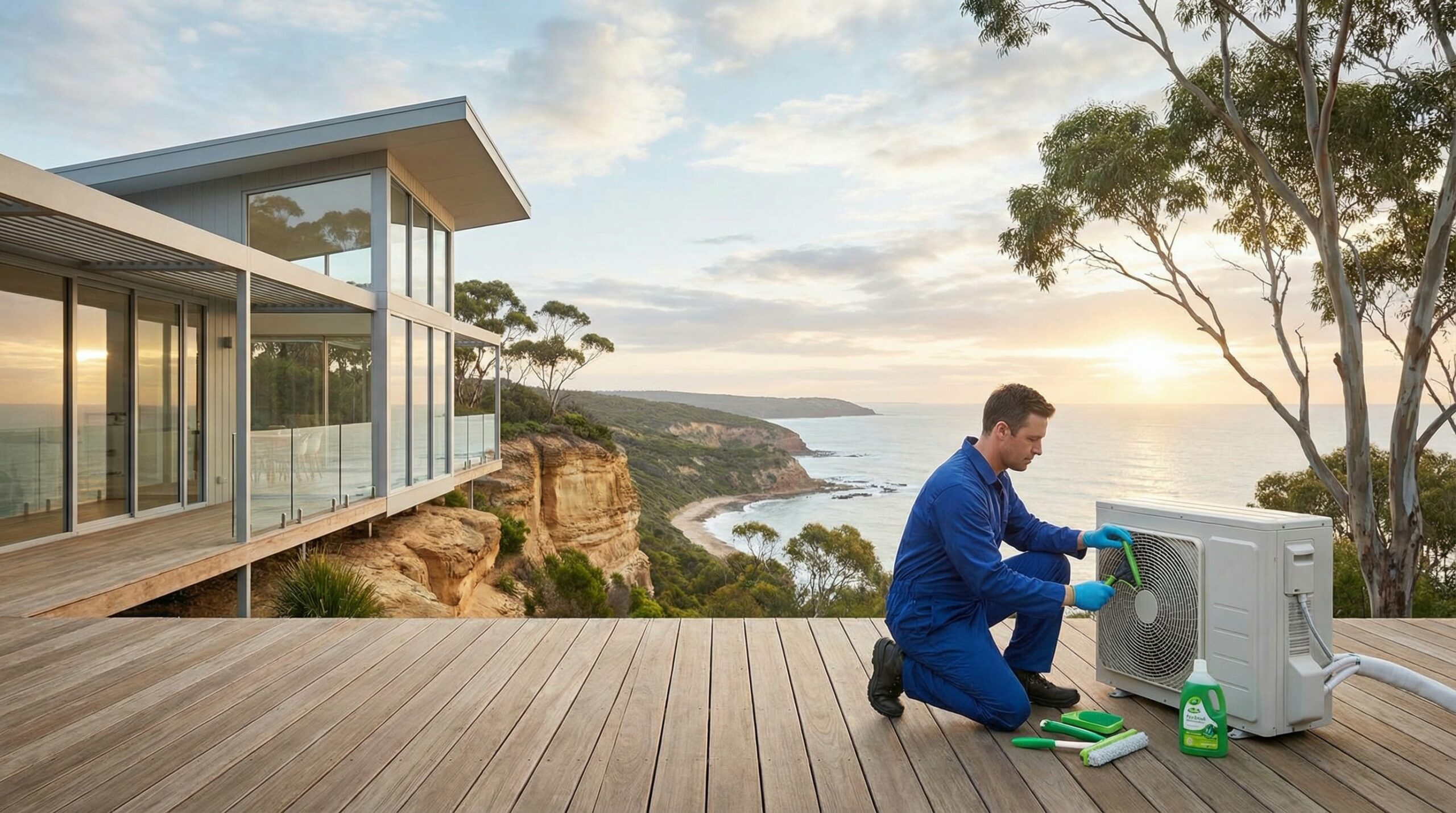
Living on the Central Coast, Australians are all too familiar with the challenges posed by our humid and salty coastal climate. While these conditions contribute to the region’s natural beauty and mild weather, they also create an inviting environment for mould growth within air conditioning systems. Whether you have ducted air conditioning Central Coast homes or separate split systems, the moisture, combined with salt-laden air, puts your cooling and heating Central Coast units at risk of harbouring mould, bacteria, and allergens.
Mould in your air conditioner’s ducts, coils, and filters not only creates unpleasant musty odours but also threatens indoor air quality (IAQ), potentially affecting your family’s health and comfort, or that of your employees and customers in commercial spaces. This is a significant concern for residents and businesses across the Central Coast, from Gosford to Kincumber and Wyong.
This article explores the growing trend and benefits of using eco-friendly, hospital-grade anti-mould treatments as part of professional air conditioner cleaning on the Central Coast. We break down what these treatments are, how they work, safety considerations for the coastal environment, and how regular maintenance supports cleaner, healthier indoor air. Whether you manage a beachside café or want to protect your family’s wellbeing, this comprehensive guide is your resource for understanding and implementing responsible, effective air conditioning care suited to the Central Coast climate.
Section 1: Mould in Coastal Homes: Why the Central Coast Faces a Mould Challenge
Humidity and Salt Air: What Drives Mould Growth Along the Coast
The Central Coast’s climate is characterised by moderate to high humidity levels, especially from late spring through to autumn. Average relative humidity (RH) can range from 60% to upwards of 80% during the warmer months, with salt-laden air carried inland from the ocean. These environmental conditions contribute heavily to mould problems inside air conditioning systems.
Mould thrives in moist environments, and the salty coastal air accelerates corrosion and rust in outdoor AC units, as well as internal ducting and coils. Moisture often accumulates due to condensation inside ducts and on cold coils, which happens when warm, humid air passes over cooled surfaces within the air conditioning system. The cold surfaces cause water droplets to form, providing an ideal habitat for mould spores to germinate and proliferate.
Central Coast homes and businesses with ducted air conditioning Central Coast systems often face more challenges than split systems. This is because ducted units have extensive passageways where condensation and damp patches are common, especially if ducts are not well insulated or sealed. On the other hand, split systems tend to have indoor units with exposed coils but fewer moisture-prone ducts, making them slightly less vulnerable to mould buildup.
According to guidelines from NSW state authorities and climate studies focusing on regions like Gosford and Wyong, the confluence of high humidity and salt makes moisture control difficult without proactive maintenance. Seasonal spikes in humidity between October and April align with increased reports of IAQ issues linked to contaminated air conditioning systems.
Health and Property Risks: Bacteria, Allergens, and Damp-Related Issues
Mould and bacteria growing inside air conditioners pose significant health risks. Spores and allergens circulated by the HVAC system can trigger or worsen asthma and allergic rhinitis symptoms, cause sinus congestion, or lead to fatigue and general malaise due to poor indoor air quality. For vulnerable populations such as children, older adults, or those with respiratory conditions, these effects can be more severe.
Beyond health, mould growth accelerates wear and tear on AC components. Corrosion weakens metal parts, leading to leaks or system failure, while accumulated biological matter reduces efficiency, increasing energy consumption and operational costs. Over time, neglecting these issues may require expensive repairs or premature replacement.
Businesses located near beaches or waterways are equally impacted. Cafés with open-door policies to welcome the coastal breeze may unknowingly circulate spores throughout dining areas, creating unpleasant odours and health nuisances for patrons. Small offices, medical clinics, or retail outlets on the Central Coast also need to maintain strict IAQ standards to protect staff and visitors alike.
Recognising Signs Your AC Needs Cleaning
Early detection of mould or contamination inside your air conditioning system is crucial. Watch for these common warning signs:
- Musty or mouldy odours persistently emitted when the system is running
- Visible mould growth on vents, fan housings, coils, or ducts
- Increase in indoor dust levels and frequent unexplained allergy symptoms among occupants
- Damp patches or condensation near return air grilles or ducts
- Reduced cooling effectiveness with AC running longer and consuming more electricity
These signals indicate mould or bacteria presence and the need for professional intervention to safeguard health and system performance.
Section 2: Eco-Friendly, Hospital-Grade Anti-Mould Treatments Explained
Defining Eco-Friendly and Hospital-Grade
Eco-friendly, hospital-grade anti-mould treatments represent a specialised category of disinfectants and mould inhibitors used in professional air conditioner cleaning. In the Australian context, these formulations combine the efficacy of clinically validated microbial control products with reduced environmental and health hazards.
Eco-friendly refers to products engineered to be biodegradable, low in toxicity, and designed with minimal volatile organic compounds (VOCs) or noxious fumes. This ensures that when applied indoors, residues do not cause discomfort or risk to inhabitants. Hospital-grade products are clinically tested to meet stringent disinfectant standards for killing bacteria, viruses, and fungi, often registered or approved by the Australian Pesticides and Veterinary Medicines Authority (APVMA) for safe use.
When used under the supervision of trained technicians, these treatments strike a balance between effective mould eradication and the safety of occupants in homes and small commercial spaces. This approach aligns with growing demands on the Central Coast for greener, safer air care solutions that do not sacrifice performance.
Common Active Ingredients Used in Australia
The most trusted anti-mould treatments contain active ingredients known for their antimicrobial properties combined with eco-conscious design. Typical components include:
- Hydrogen peroxide-based cleaners: Powerful oxidising agents that kill mould spores and bacteria on surfaces without leaving harmful residues. Their breakdown products are water and oxygen, making them a greener option.
- Quaternary Ammonium Compounds (QACs): These compounds possess broad-spectrum disinfectant capabilities with formulations adapted for environmental safety and efficacy in institutional and residential applications.
- Peracetic acid: A potent antimicrobial, used in low concentrations with personal protective equipment (PPE), particularly effective against stubborn mould colonies.
Variations in formulations exist depending on supplier and intended use, but all reputable providers follow manufacturer Safety Data Sheets (SDS) and regulatory guidelines to ensure safe handling and application.
Safety, Training, and Occupant Protection
Safe use of hospital-grade treatments requires trained technicians equipped with suitable PPE including gloves, eye protection, and respiratory masks where necessary. Proper ventilation during and after application is critical to avoid accumulation of vapours, especially in occupied spaces on the Central Coast where humidity and building tightness vary.
Application techniques are designed to minimise product residue and unpleasant odours while maximising contact time with problematic surfaces such as coils and duct linings. This ensures thorough microbial kill rates without compromising indoor comfort or air quality post-treatment.
Residential and commercial clients benefit from these safety protocols, finding that eco-friendly treatments reduce health risks linked to chemical exposure while delivering superior anti-mould results.
Section 3: How Anti-Mould Treatments Improve Indoor Air Quality
Mechanisms: Cleaning Coils, Ducts, and Surfaces
Eco-friendly anti-mould treatments operate by targeting critical points within air conditioning systems that facilitate mould and bacterial growth. Technicians clean and disinfect:
- Coils, where condensation regularly forms, trapping moisture
- Fan housings and blower components that circulate air
- Plenums and accessible duct sections where moisture and debris collect
The chemical agents in the treatment break down fungal cell walls, killing spores and preventing future growth. This process reduces the shedding of particulate matter and spores into the indoor environment, thereby improving IAQ sustainably.
A critical element in successful mould control is ensuring complete coverage of all affected surfaces coupled with adequate dwell time — the period the product remains wet on surfaces to maximise antimicrobial efficacy. Professionals vigilantly follow manufacturer instructions and industry best practice to deliver these outcomes on the Central Coast.
IAQ Metrics to Track Before and After Cleaning
Monitoring improvements in IAQ involves several measurable indicators. Where available, mould spore counts provide a direct quantitative measure of fungal contamination. Alternatively, tracking PM2.5 (fine particulate matter under 2.5 microns) levels can serve as a proxy for indoor air cleanliness, as fungal spores often fall within this size range.
Aside from direct air sampling, occupant health and comfort feedback offers valuable insight into the effectiveness of anti-mould treatments. Reductions in allergy symptoms and musty odours post-cleaning are often reported.
Maintaining indoor humidity levels between 40–60% RH is recommended to limit mould re-growth. Many specialist cleaners provide a post-treatment verification checklist that may include humidity readings, visual inspections, and customer education materials tailored to the Central Coast climate.
Real-World IAQ Benefits Observed on the Central Coast
Residents and business operators on the Central Coast frequently report positive changes following eco-friendly air conditioning cleaning and anti-mould treatment:
- Marked reduction in persistent musty or mouldy smells, particularly during humid months
- More consistent and comfortable indoor temperatures without the damp feeling
- Extended operational life of cooling and heating Central Coast equipment due to reduced corrosion and biological build-up
- Improved energy efficiency with systems running less frequently or more effectively
Case stories from local homes and cafés illustrate how these benefits translate into everyday comfort and economic savings — underscoring the value of investing in professional anti-mould treatments through trusted providers like Air Conditioning Central Coast’s air conditioner cleaning services.
Section 4: The Cleaning Process: From Inspection to Verification
Step-by-Step Workflow
Cleaning and treating an air conditioning system on the Central Coast follows a structured process designed to ensure thorough mould remediation and lasting IAQ improvements:
- Initial inspection: Assess moisture levels, check for leaks, and evaluate duct and unit integrity to identify contamination hotspots.
- Physical cleaning: Remove visible mould and accumulated dust from coils, fans, plenums, and accessible duct sections using specialised brushes and vacuuming equipment.
- Application of eco-friendly, hospital-grade anti-mould treatments: Apply disinfectants uniformly over critical surfaces, respecting dwell times detailed in product instructions for maximum effectiveness.
- Post-treatment rinse and dry-out: If required, rinse treated surfaces with water; allow adequate drying with ventilation before system reactivation.
- Verification and sealing: Conduct a post-clean inspection, ensure ducts and insulation are sealed for moisture control to prevent recurrence.
Each step emphasises safety, efficacy, and alignment with coastal environmental conditions.
Ducted vs. Non-Ducted Approaches
Ducted air conditioning Central Coast systems require particular attention to trunk lines, return air pathways, and extensive duct runs where moisture can linger. Access panels may be installed to facilitate cleaning without invasive renovations. Where fumigation is not desired or permissible, technicians rely on mechanical cleaning and application of antimicrobial sprays.
On the other hand, non-ducted or split systems focus mainly on coil cleaning inside the indoor unit, fan assembly hygiene, and drainage line clearing. These tasks are often faster but still require eco-friendly treatments to ensure fungal spores are eliminated and that surface contamination does not return quickly.
Scheduling and Recommended Frequency
Australian standards outlined in AS/NZS 3666 provide guidance on cleaning and sanitation intervals. For most Central Coast homeowners, a cleaning cycle between 12 and 24 months is suitable, considering the region’s high humidity and salt exposure. Commercial spaces with heavier air exchange, such as cafés and offices near the coast, may require more frequent service—sometimes every 6 to 12 months — to maintain compliance and customer comfort.
Scheduling cleans during late spring, when humidity begins to climb, is ideal for both residential and business clients. This timing pre-empts peak mould season and minimises disruption during busy summer periods.
Section 5: Safety and Compliance for Residential and Commercial Spaces on the Coast
Regulatory and Guideline Context in NSW
Compliance with state and national guidelines is crucial for safe and effective air conditioning maintenance on the Central Coast. NSW Health produces mould and dampness guidelines to help building owners manage indoor environmental quality, while WorkSafe NSW governs occupational safety for technicians performing air conditioning cleaning.
In particular, the AS/NZS 3666 family of standards outlines mandatory requirements to prevent mould and microbial contamination in air handling systems. These standards include procedures for cleaning, disinfection, filtration, and verification, protecting residents and workers from exposure.
Engaging licensed professionals familiar with these regulations ensures your home or business not only meets legal requirements but also gains assurance through documented procedures and warranties where applicable.
Coastal-Specific Concerns
Unique challenges arise on the Central Coast because of salt spray and consistently high humidity. Salt can accelerate corrosion of ducts and external units, compromising system integrity and potentially allowing moisture ingress. This situation exacerbates mould risks and can lead to system failures if unchecked.
Commercial spaces near open doors and windows, such as cafés or offices, must be especially vigilant as outdoor spores and moisture can enter indoor environments readily, placing additional load on air conditioning systems to filter and maintain clean air.
Certification and Local Trust Signals
Homeowners and businesses should look for service providers with:
- HVAC trade qualifications recognised in New South Wales
- Experience in air conditioning cleaning tailored to coastal climates
- Demonstrated adherence to AS/NZS 3666 and industry best practices
- Transparency with SDS documentation for anti-mould products used
- Provision of post-clean verification and inspection results
Local providers such as Air Conditioning Central Coast offer reassurance by tailoring services to meet regional environmental conditions and compliance expectations. For more information about suitable solutions, you can explore our services.
Section 6: Coastal Case Studies: Real Results from the Central Coast
Case Study A – Residential Home in Gosford
A family living in a ducted air conditioning Central Coast home in Gosford noticed a persistent musty odour and complaints of sinus discomfort during humid months. An inspection revealed mould on duct linings and coil surfaces.
After scheduling an eco-friendly anti-mould treatment that included thorough coil cleaning and application of hospital-grade disinfectants, occupants reported fresh air within days. Post-cleaning verification confirmed mould reduction and improved system efficiency, reducing energy use during hot days.
The family learned the importance of sealing duct leaks and committing to regular maintenance cycles tailored around seasonal humidity to prevent recurrence.
Case Study B – Small Café in Wyong
A busy café in Wyong with an open dining area situated near the waterfront struggled with lingering air odours and customer feedback about stale air. The business relied heavily on its ducted system for heating and cooling Central Coast facilities.
Technicians performed intensive ductwork cleans, applied eco-friendly disinfectants with hospital-grade efficacy, and advised on post-treatment airing protocols. This resulted in fresher indoor air, fewer odour complaints, and improved patron comfort.
The café also found that scheduling services outside peak business hours and confirming product safety with staff led to smooth operations and compliance with health standards.
Key Metrics to Highlight in Case Studies
- Visible reduction in mould growth confirmed by pre/post-inspection photos
- Improved occupant comfort and reduced allergy-related symptoms
- Energy savings reflected in bills after cleaning due to efficient airflow
- Post-clean certifications aligning with AS/NZS 3666 requirements
Section 7: Choosing Eco-Friendly Anti-Mould Treatments: What to Ask Your Technician
Ingredient Transparency and Environmental Impact
When engaging a technician, ask for detailed product information, including:
- Safety Data Sheets (SDS) outlining active ingredients and risks
- Environmental certifications or eco-label endorsements
- Waste disposal methods to ensure no harm to local waterways or soil
- Whether the formulation suits use in occupied residential or commercial spaces without harmful emissions
Understanding the balance between eco-friendly claims and hospital-grade efficacy helps you make an informed choice that fits your health priorities and sustainability values.
Verification and Results: How to Confirm Efficacy
A trustworthy technician will provide:
- A post-clean verification checklist detailing work completed
- Humidity and surface moisture readings before and after treatment
- Optional mould spore sampling or air quality monitoring reports where feasible
- Clear warranty or re-treatment plans if mould signs reoccur within an agreed timeframe
Such transparency creates confidence in the service delivered and safeguards your investment.
Service Quality and Local Relevance
Confirm the provider holds:
- Licensing as an HVAC trade professional in NSW
- Experience working with coastal environments prone to salt exposure and high humidity
- Compliance with AS/NZS 3666 and relevant health codes
- Prompt response times and clear service windows suited to the Central Coast lifestyle
Choosing locally trusted names like Air Conditioning Central Coast connects you with experts understanding your environment’s unique needs.
Section 8: Maintenance: Keeping Your AC Fresh Between Cleanings
Regular Maintenance Routines
Maintaining your air conditioning system’s hygiene between professional cleans is key to prolonging IAQ benefits:
- Schedule professional cleaning every 12–24 months, adjusting frequency for high-use or high-humidity settings
- Change or clean filters monthly during humid spring and summer months to capture airborne spores
- Visually inspect accessible ducts and vents for damp spots or moulds regularly
Routine upkeep reduces the chance of costly repairs and supports system longevity.
Humidity and Airflow Management on the Central Coast
Managing indoor humidity is vital in Australia’s humid coastal zones:
- Use dehumidifiers or air exchange systems during periods of peak humidity
- Ensure adequate ventilation, especially when cooking or showering, to reduce moisture buildup
- Avoid sealing homes too tightly without mechanical ventilation options
Keeping relative humidity between 40-60% discourages mould spores from settling and thriving inside ducts.
Everyday Care for Ducts and Outdoor Units
Simple daily habits protect outdoor units and duct systems:
- Clear debris, leaves, and dirt around outdoor units frequently to maintain airflow
- Rinse off salt deposits from outdoor coils where possible to reduce corrosion
- Monitor condensate drainage lines and fix leaks without delay to prevent moisture accumulation
These measures uphold system efficiency and maintain healthier air for all occupants.
Section 9: The Economic and Environmental Case for Eco-Friendly Mould Treatments
Long-Term Cost Savings
Investing in eco-friendly anti-mould treatments yields tangible financial benefits on the Central Coast. Improved IAQ reduces respiratory-related medical expenses and absenteeism. Cleaner coils and ducts enhance system efficiency, resulting in lower energy consumption and utility bills. Additionally, reducing corrosion and microbial damage extends your air conditioning system’s lifespan, avoiding premature replacement costs.
Reliably scheduled treatments and preventive maintenance reduce emergency repairs or reactive cleaning interventions, stabilising an owner’s maintenance budget over time.
Environmental and Community Benefits
By selecting biodegradable, low-toxicity treatments, you reduce your ecological footprint. Less harmful chemical runoff preserves local soil and waterways, supporting the biodiversity of our coastal ecosystems. Supporting eco-conscious local service providers like those on the Central Coast fosters a sustainable community commitment.
Aligning with Australian Standards and Coastal Ethics
You benefit from services compliant with Australian legislation including AS/NZS 3666, NSW Health mould guidelines, and WorkSafe safety standards. This alignment ensures professional, responsible treatment compatible with residential and commercial expectations on the Central Coast.
Air Conditioning Central Coast specialises in delivering these solutions adapted to coastal environmental challenges, helping residents and businesses enjoy cleaner, safer air with integrity.
Your Next Steps for Cleaner Indoor Air on the Central Coast
Living in the Central Coast’s coastal environment means your air conditioning system requires targeted, eco-conscious care to combat mould and maintain fresh air indoors. Utilising eco-friendly, hospital-grade anti-mould treatments can dramatically improve indoor air quality by disinfecting coils, ducts, and filters — reducing bacteria and preventing mould spore spread. This supports healthier, more comfortable living and working environments for both homes and small businesses.
Begin by assessing your indoor air conditions: monitor humidity levels, inspect ductwork for damp or mould patches, and review your current maintenance routines to identify risks. When you’re ready, consult a qualified local installer about hospital-grade treatments with eco credentials and verification processes that adhere to AS/NZS 3666 standards.
For expert assistance tailored to the coastal climate and your specific needs, consider reaching out to Air Conditioning Central Coast. Their skilled team offers professional inspections, cleaning, and environmentally responsible anti-mould solutions designed to keep your indoor air fresh and safe year-round. Schedule a coastal inspection today and enjoy the benefits of cleaner, healthier air.