Coastal Comfort on the Central Coast: DIY vs Pro AC Cleaning
The coastal climate of the Central Coast presents unique challenges for homeowners when it comes to maintaining comfortable indoor environments. The combination of heat, humidity, and salt-laden air constantly tests the performance of air conditioners. Over time, dust, mould, and debris can accumulate within your system, compromising airflow, energy efficiency, and indoor air quality. At this junction, many residents face a common question: should they undertake DIY air conditioner cleaning or enlist a professional service?
Choosing between DIY and professional cleaning is not merely about cost; it is about understanding your system type—whether ducted air conditioning Central Coast or split system—the depth of cleaning required, safety considerations, and local regulations in New South Wales (NSW). This extensive guide aims to equip Central Coast homeowners with a clear, practical understanding of what’s manageable at home versus when to call in experts such as those from Air Conditioning Central Coast.
We’ll unpack the essential tasks you can safely perform yourself, the advanced procedures that justify professional intervention, and the implications of climate and compliance in NSW. Protecting your indoor air quality, prolonging system life, and keeping costs in check all start here. Whether you’re battling persistent humidity or just want to cut down your energy bills, understanding the cleaning options can keep you cool and comfortable all year round.
DIY Cleaning on the Central Coast: What Homeowners Can Safely Tackle
Safety-first tasks you can handle without a pro
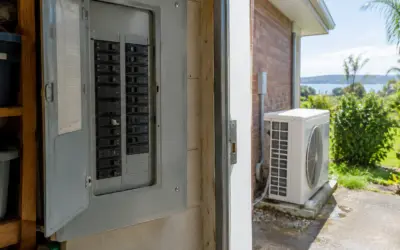
When tackling air conditioner cleaning on your own, safety must be your highest priority. The first step is always to disconnect all power sources. In NSW, this means switching off the circuit at both the switchboard and the air conditioning unit itself. Using a non-contact voltage tester can help you confidently confirm that no current is flowing before you begin work. Where possible, employing a lockout/tagout system prevents accidental reconnection, especially if other household members are present.
Personal protective equipment is non-negotiable. Use sturdy gloves to avoid cuts from sharp components, eye protection to guard against flying dust or cleaning sprays, and a mask to filter mould spores, dust, and chemicals. Keep children and pets well away from the work area to minimise distractions and risks.
For practical examples, start by dusting accessible return-air grilles and wiping external housings with a damp cloth and mild cleaner. Avoid any attempts to dismantle sealed components like blower units or refrigerant lines. These require specialised knowledge and tools and pose safety hazards. If your system exhibits unusual signs, such as refrigerant leaks or wiring faults, it’s essential to pause and seek qualified assistance to prevent voiding warranties or causing costly damage.
In the NSW context, homeowners should note that legislation restricts certain types of repairs to licensed professionals. While cleaning simple, accessible parts is allowed, anything involving refrigerant systems or extensive internal work must comply with local licensing and manufacturer warranty requirements. When uncertain, it’s always safer and often more cost-effective in the long run to call an expert.
Gear and cleaners you’ll need
A successful and safe DIY clean requires the right tools and materials. Essential equipment includes a vacuum with a HEPA filter to trap fine dust and allergens, soft-bristled brushes to dislodge dirt without damaging delicate fins or surfaces, and microfiber cloths for residue-free wiping. Mild detergents or gentle dish soap suffice for cleansing greasy or sticky areas. A spray bottle makes it easy to apply diluted cleaning solutions evenly, but make sure not to over-saturate any components.
When choosing cleaners in Australia, look for products labelled as safe for HVAC use—these are designed not to corrode metal coils or react with plastics within your system. Always test any cleaner on a small, inconspicuous section to avoid damage or discoloration. Avoid harsh chemicals such as bleach or ammonia that can degrade seals and electronic parts. A sturdy ladder will aid in reaching high-mounted split system units or rooftop duct vents. Don’t forget personal protective equipment such as gloves, goggles, and masks to guard against exposure.
One critical practical tip: never use high-pressure hoses directly on any ductwork or electronic parts. Moisture intrusion can cause serious damage or electrical faults. Instead, use a gentle rinsing approach and protect all electrical connections from water spray.
Refer to your system manufacturer’s guidelines for cleaning your specific model’s filter and coil care instructions, as following these recommendations preserves warranty coverage. For more specialised advice tailored to the Central Coast environment and coastal conditions, refer to the air conditioner cleaning page of local experts.
What to skip or defer
While some cleaning steps are suitable for homeowners, others should be avoided to maintain safety and warranty compliance. Notably, do not attempt to open sealed blower housings or tamper with refrigerant lines — disturbing these components can be hazardous and typically violates NSW licensing laws. Never apply bleach, ammonia, or aggressive solvents near coils or plastic parts, as these chemicals can cause irreversible damage.
Avoid rearranging or modifying any ductwork or electrical wiring during your DIY session. These tasks require specialised training and tools, and improper alterations may lead to system failures or safety hazards.
If during your cleaning you detect mould growth behind insulation, water stains, or evidence of moisture intrusion, it is crucial to stop work immediately. Mould can pose serious health risks, especially in humid coastal homes, and requires professional mould remediation services. Similarly, signs of water leaks or corrosion signal the need for expert assessment and repair rather than DIY attempts.
Remember that many air conditioning manufacturers’ warranties have clauses voiding coverage if unlicensed or improper work is performed. Always align your DIY activities within legal boundaries and warranty terms to avoid unforeseen expenses.
Professional Cleaning: What a Central Coast Specialist Delivers
Scope: ducted vs split systems
Professional air conditioner cleaning in the Central Coast region is tailored to the type and complexity of your system. For homes with ducted air conditioning Central Coast installations, cleaning involves not only accessible filters and grilles but also detailed duct interior cleaning. This ensures removal of the dust, debris, and microbial buildup deep within your duct networks, improving air quality and system efficiency. Additionally, coil sanitisation, drain pan and condensate line checks are standard to prevent mould growth and water leaks.
Split systems, commonly used in many Central Coast residences, have a different cleaning focus. Typically, professional services include indoor coil cleaning, thorough filter replacement or cleaning, and external condenser coil maintenance. The process targets dust build-up on coils that can impair heat transfer and filters that can clog, restricting airflow and increasing energy consumption.
For example, a 6 to 8-zone ducted system requires significantly more comprehensive inspection and cleaning than a single-head split system, influencing both timing and cost. Professionals on the Central Coast, such as those from Air Conditioning Central Coast, tailor their cleaning packages to your home’s specific system type, age, and condition, ensuring thorough service that aligns with local climate and regulatory conditions.
All work adheres to references under NSW administration and the AS/NZS standards, reflecting best practices and safety benchmarks appropriate for both ducted and split configurations.
Techniques and gear the pros use
Professional air conditioner cleaning goes beyond surface dust removal. Technicians employ specialised equipment designed for depth and safety. Negative-pressure vacuums are a key tool for drawing out dust and contaminants from inside ducts without dispersing particles into living spaces. Rotary brushes help to dislodge stubborn debris without damaging delicate duct linings.
Safe enzyme-based cleaners and coil sanitisers effectively break down organic matter like mould and sludge accumulated within coils and drain pans. Outdoor condenser units are carefully cleaned with tools designed to protect the fins and prevent corrosion, especially important in the Central Coast’s salty coastal environment.
Many professionals offer advanced features such as CCTV or camera inspections to visually assess duct conditions before and after cleaning. Detailed reports provide homeowners with a clear picture of the results and any further recommendations. In addition, reputable services often include flushing the condensate line to reduce blockages and sanitise against bacterial growth.
In NSW, certified technicians abide by the AS/NZS 3666 guidelines to manage indoor contaminants and ensure quality outcomes. When engaging a professional, ask for a clear scope of work, proof of standards compliance, and before/after photo evidence for transparency.
Timing, accessibility and prep
Professional cleaning requires some preparation to ensure safe and efficient service. Before starting, a pre-clean assessment is typical to identify system configurations, accessibility challenges, and any existing issues. Attic or roof access may be needed for ductwork cleaning, requiring that pathways are clear and safety protocols followed.
Electricity isolation is checked and documented before technicians proceed, protecting both workers and the home from electrical hazards. Protective coverings shield flooring and furniture from dust and cleaning residues during the process. Overall duration ranges from around two hours for simple split systems to up to six hours for complex multi-zone ducted setups.
Homeowners on the Central Coast benefit from scheduling cleaning during milder weather to reduce indoor disruption and allow for optimal ventilation. Salt spray and coastal humidity can increase the need for more frequent exterior condenser cleaning, so service timing is also strategic to prolong equipment life.
To ensure smooth access, clear hallways and note any narrow stairs or low ceilings that may require special equipment. Open communication with your cleaning service ensures all needs and expectations are met.
Safety Considerations: Electrical, Chemicals, and Coastal Challenges
Electrical risks and isolation
Handling electrical systems during air conditioner cleaning carries inherent risks. It is mandatory in NSW to switch off power both at the main switchboard and on the individual unit. This two-level isolation safeguards against accidental energisation. Use of a non-contact tester verifies effective disconnection before any disassembly occurs.
If technicians or homeowners spot damaged wires, signs of corrosion or burnt insulation, work should be paused immediately. Licensed electricians must be consulted to assess and repair electrical faults properly. In NSW, only qualified electricians are authorised to perform rewiring or electrical repairs under strict regulations.
Respecting these safety protocols not only protects lives but also ensures compliance with statutory requirements and upholds warranty conditions. Engaging experts such as Air Conditioning Central Coast ensures electric isolation and safety standards are rigorously maintained.
Chemical cleaners and IAQ
Chemical usage inside air conditioning systems affects indoor air quality (IAQ) directly. It’s vital to use environmentally responsible, low-volatile organic compound (VOC) cleaners registered by relevant authorities such as the EPA or Australian regulatory bodies. These products minimise irritating fumes and residual toxins.
During cleaning, adequate ventilation should be maintained to dissipate any chemical vapours quickly. Avoid lingering chemical smells by airing rooms during and post-cleaning. Some professional cleaners provide safety data sheets upfront so homeowners can understand product properties and risks.
Incompatibility between cleaning products and system materials can cause surface damage or harmful residue. Trusted NSW-based technicians follow manufacturer recommendations and Australian indoor air quality standards to select appropriate cleaning agents. Homeowners should request lists of products used for reassurance.
Mould, asbestos and hidden hazards in older homes
Many Central Coast homes contend with mould caused by persistent coastal humidity. If mould is present in ducts or insulation, professional mould risk assessments and containment procedures become essential before cleaning proceeds to prevent spore dispersal and cross-contamination.
Older houses may also harbour asbestos-containing materials near ducts or insulation. In such cases, immediate cessation of DIY work is mandatory, followed by engagement of licensed asbestos remediation specialists as per NSW health regulations.
Proper identification and management of hidden hazards protect both your health and your investment. Reputable Central Coast cleaners integrate mould risk assessments and safe handling protocols as part of their comprehensive service approach.
Depth of Cleaning: What DIY Misses
Dust vs microbial buildup
Homeowners undertaking DIY cleaning typically focus on removing surface dust, such as wiping filters and grilles. However, professional services delve deeper, accessing duct interiors and hidden coil surfaces where microbial colonies like mould and bacteria reside. These deeper cleanings use specialised tools and chemicals to effectively eliminate contaminants beyond the reach of household methods.
Expect realistic outcomes from DIY efforts: improved surface cleanliness but limited impact on indoor air quality unless deep ducts and coils are professionally cleaned. Cross contamination and residual mould spores often persist after superficial tasks, limiting health and performance benefits.
Professional-grade air conditioner cleaning ensures sustained reductions in airborne allergens and microbial counts, which is particularly important for Central Coast residents vulnerable to asthma or allergies due to humidity-driven mould growth.
Coils, condensate pans, and drain lines
Coils accumulate dirt and condensate pans trap moisture and sludge, creating ideal conditions for microbial growth. Left unchecked, this fouling reduces heat exchange efficiency, causes water leaks, and increases energy consumption.
Cleaning coils requires specific solvents and low-pressure rinsing techniques to avoid damage. Condensate pans and drain lines must be flushed with approved solutions to remove blockages and sanitise interiors — a procedure difficult for most homeowners without trade equipment.
Professionals on the Central Coast perform these tasks following Australian standards designed to prevent corrosion and maintain system integrity, helping your air conditioner run optimally even under the region’s harsh coastal conditions.
Impact on indoor air quality and energy efficiency
Dirty ducts and coils lead to reduced airflow and inefficient cooling, forcing air conditioners to work harder and increasing electricity usage. Conversely, thorough cleaning often results in noticeable improvements in indoor air quality and reduced energy bills.
Customer testimonials attest to freshened indoor atmospheres and improved comfort after professional servicing. In some documented cases, energy savings of up to 15% were realised following comprehensive coil and duct sanitisation.
Enhanced airflow and cleaner air promote well-being and help protect the significant investment homeowners make in their cooling systems, particularly given the Central Coast’s demand for reliable cooling and heating throughout the year.
Cost Implications: DIY vs Professional on the Central Coast
Upfront costs for DIY gear
Starting a DIY cleaning project requires investing in appropriate gear. Basic equipment such as a HEPA-filter vacuum, brushes, microfiber cloths, detergents, and protective gear typically costs between AUD 120 and 300, depending on brand and quality. If you already own some tools, your incremental expenses will be lower.
It’s essential to factor in time and potential safety risks, which may equate to indirect costs or unforeseen damage. While DIY can save on labour fees, incomplete or improper cleaning might lead to diminished performance or early repairs, negating initial savings.
Professional pricing in NSW and the Central Coast
Professional air conditioner cleaning pricing on the Central Coast varies by system size, complexity, and service inclusions. Generally, smaller split systems cost less to service than large, multi-zone ducted systems. Travel surcharges may apply for remote locations.
Typical industry ranges in NSW for split system cleaning start from around AUD 150–250 per unit, while comprehensive ducted system servicing can range from AUD 400 to 800 or more depending on zones and condition. Always request detailed, written quotes specifying scope—filter cleaning, coil sanitisation, drain line flush, and duct sanitising are common line items.
Obtaining a clear scope enables accurate comparisons and prevents unexpected charges later. Remember that services including mould remediation, sealant replacement, or attic access often incur additional fees.
Hidden costs and ROI
Beware of hidden costs such as fees for attic access if ductwork passes through ceiling voids, charges for extra zones beyond the quoted number, or mould remediation if contamination is discovered during cleaning. These can quickly add to your final bill.
Despite this, the return on investment is often favourable. Improved airflow reduces electricity bills; cleaner air enhances occupant health; and regular maintenance can extend the lifespan of your equipment. Some providers include post-cleaning test results or maintenance plans, which provide ongoing value and peace of mind.
For homeowners seeking clarity and fairness, engagement with reputable local services like Air Conditioning Central Coast fosters transparent communication and tailored solutions for cost-effective outcomes.
Maintenance and Prevention: A Coastal Home’s Plan
Smart filtering and replacement cadence
Maintaining clean air begins with regular filter management. Disposable filters should be replaced every 1 to 3 months, while washable filters require frequent cleaning to remain effective. Follow each manufacturer’s specific recommendations, especially as salty coastal winds carry more dust and particles.
In Central Coast homes, filter replacement intervals may need to be more frequent than in inland areas to combat salt spray and increased particulate matter. Keeping records and receipts for filter changes is prudent for warranty purposes and service history documentation.
Seasonal cleaning and condenser care
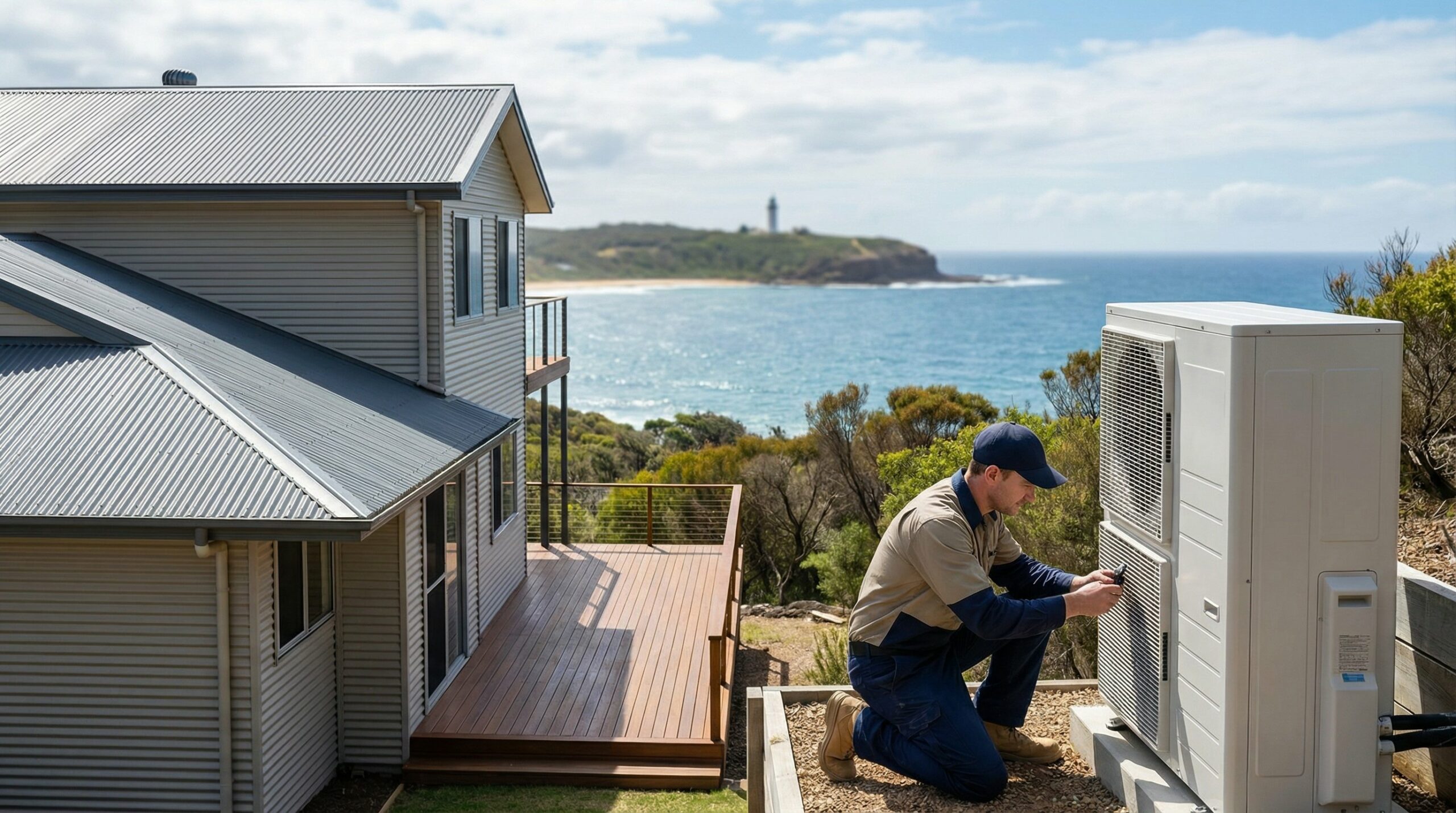
Outdoor condenser units require ongoing attention to prevent clogging by leaves, dirt, and coastal salt deposits. Clean the surrounding area maintaining at least a 1-metre clearance for airflow. Gently brushing condenser fins and rinsing from the outside protects delicate components.
It’s best to schedule these outdoor cleanings during milder seasons to reduce disruption indoors and avoid weather-related hazards. Regular condenser care improves cooling efficiency and mitigates corrosion risks posed by the marine environment.
Humidity control and condensate management
Effective condensate drainage is vital to prevent water pooling that encourages mould. Regular checks for clogs or leaks in drainage lines can forestall costly damage. In homes experiencing persistent high humidity, installing dehumidifiers can balance moisture levels and preserve indoor air quality.
Humidity control is especially critical in coastal settings where the combination of heat and moisture heightens mould risk. Proactive drainage maintenance and humidity management form the backbone of a sustainable AC upkeep plan tailored for Central Coast conditions.
When to Call the Pros: Central Coast Practical Guidelines
DIY red flags
Some signs indicate it’s time to hand cleaning over to professionals, including:
- Persistent musty or chemical odours despite DIY cleaning
- Visible mould growth in hard-to-reach duct areas
- Water leaks or pooling around drain pans or lines
- Unusual noises or vibrations indicating mechanical issues
- Reduced airflow or cooling performance after maintenance
When in doubt, scheduling a diagnostic check with technicians such as those at Air Conditioning Central Coast before attempting invasive work can prevent escalation of problems.
Home age, location and system type
Older homes often have duct systems prone to corrosion and accumulation of dust, requiring more frequent professional attention. Coastal exposure, particularly proximate to salt spray, accelerates wear and necessitates regular inspections.
Maintenance needs differ significantly between ducted and split systems; ducted systems are more complex and benefit from professional cleaning to sustain optimal airflow and hygiene. Split systems, while simpler, still require expert coil and drain line care to maintain efficiency.
Choosing a Central Coast professional
Selecting the right professional on the Central Coast starts with verifying NSW licensing and current public liability insurance. A reliable technician will provide a clear, written scope of work, offer references from local clients, and demonstrate familiarity with AS/NZS 3666 standards.
Request before and after photos and inquire about written guarantees or warranties on the cleaning service. Choose providers who understand the unique coastal environment and specialise in both ducted air conditioning and split systems for tailored care.
Comparing multiple quotes and reviewing local feedback ensures you engage a trusted partner for maintaining your home’s cooling and heating systems to peak condition. Explore our services to learn more about available solutions.
Trust Signals, Brands and Compliance: What Aussies Should Look For
Licensing, insurance and training
Verified licensing is a must—NSW homeowners can check a technician’s credentials through official portals like NSW Fair Trading. Confirm trade licences are valid and that technicians carry current public liability insurance to protect against accidents during servicing.
Ongoing training is another trust indicator, ensuring familiarity with the latest methods, safety standards, and product developments relevant to air conditioning maintenance.
AS/NZS 3666 compliance and why it matters
AS/NZS 3666 sets the benchmark for hygienic duct maintenance, safeguarding occupants from cross-contamination and ensuring thorough decontamination. Compliance indicates that a professional service applies rigorous cleaning, sanitising, and quality assurance measures.
Consumers should request a written statement confirming compliance and a customer-friendly cleaning report, reinforcing transparency and best practice adoption.
Local brands and recommended suppliers on the Central Coast
Popular brands like Daikin, Mitsubishi Electric, Panasonic, and Fujitsu dominate Central Coast installations due to their reliability and tailored climate options. Selecting a local, reputable Central Coast provider familiar with servicing these brands is advantageous for rapid, effective maintenance.
Local technicians understand regional challenges such as salt corrosion and humidity impacts, adapting their techniques accordingly. When evaluating providers, seek those offering comprehensive packages with coil sanitising, drain checks, and indoor air quality consultations. Asking about the specific tools and cleaning products used can further assure quality outcomes.
Cleaner Air Starts with a Smart Plan for the Central Coast
Achieving clear, fresh air and efficient cooling in your Central Coast home is a goal that requires a thoughtful, balanced plan. While simple DIY tasks like filter changes and exterior condenser upkeep set the foundation, deeper issues—such as duct cleaning, coil sanitising, and drainage inspections—are best handled by licensed professionals.
Integrate routine maintenance and monitoring, documenting any signs of performance decline or indoor air quality issues. That way, you can time professional servicing to minimise disruptions and extend your system’s lifespan. For tailored, regionally aware guidance, contact reputable local experts such as Air Conditioning Central Coast. They can assess your home’s unique needs, provide a transparent quote, and help you maintain your cooling and heating systems at their best year-round.
To explore how professional air conditioner cleaning can protect your home environment and wallet, visit this page on air conditioner cleaning and learn more about our solutions. For independent information about safe duct cleaning standards, the NSW Health department and Australian government sites offer trustworthy guidance on indoor air quality and maintenance protocols, such as HVAC cleaning standards.
Key takeaway: A strategic blend of regular DIY upkeep and professional intervention ensures optimal performance, health, and cost savings for Central Coast homes in the tough coastal climate.